Home gardening is often described as relaxing, rewarding, and even therapeutic. And it is—but only when it doesn’t feel like a constant obligation. Many people start gardening with excitement, only to realize later that it can quietly become time-consuming. Daily watering, checking soil, dealing with pests, adjusting sunlight—it all adds up.
The good news is that gardening doesn’t have to take over your schedule. With a few thoughtful adjustments, you can significantly reduce the time you spend maintaining your plants while still keeping them healthy and thriving.
Over time, experienced gardeners learn that efficiency matters just as much as care. It’s not about doing more—it’s about doing the right things in smarter ways.
In this article, we’ll explore five easy home gardening tips that save time without sacrificing plant health. These ideas are simple, practical, and designed for real-life routines.
tip 1: choose the right plants from the beginning
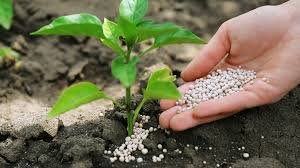
The biggest time-saving decision in gardening happens before you even plant anything. The type of plants you choose determines how much effort they’ll require later.
Some plants naturally demand less attention. They tolerate inconsistent watering, adapt to different light conditions, and resist pests better than others.
starting with low-effort plants:
| Plant Type | Time Requirement | Why It Saves Time |
|---|---|---|
| Succulents | Very low | Minimal watering |
| Snake plant | Very low | Rare maintenance |
| Herbs (mint) | Low | Fast growth, easy care |
| ZZ plant | Very low | Highly resilient |
Choosing plants that match your environment also saves time. For example, if your space gets limited sunlight, selecting shade-tolerant plants prevents constant repositioning.
plant selection checklist:
| Question | Action |
| How much sunlight is available? | Choose matching plants |
| How often can you water? | Pick drought-tolerant varieties |
| Indoor or outdoor space? | Select suitable species |
Starting with the right plants eliminates many problems before they begin.
tip 2: use self-watering systems
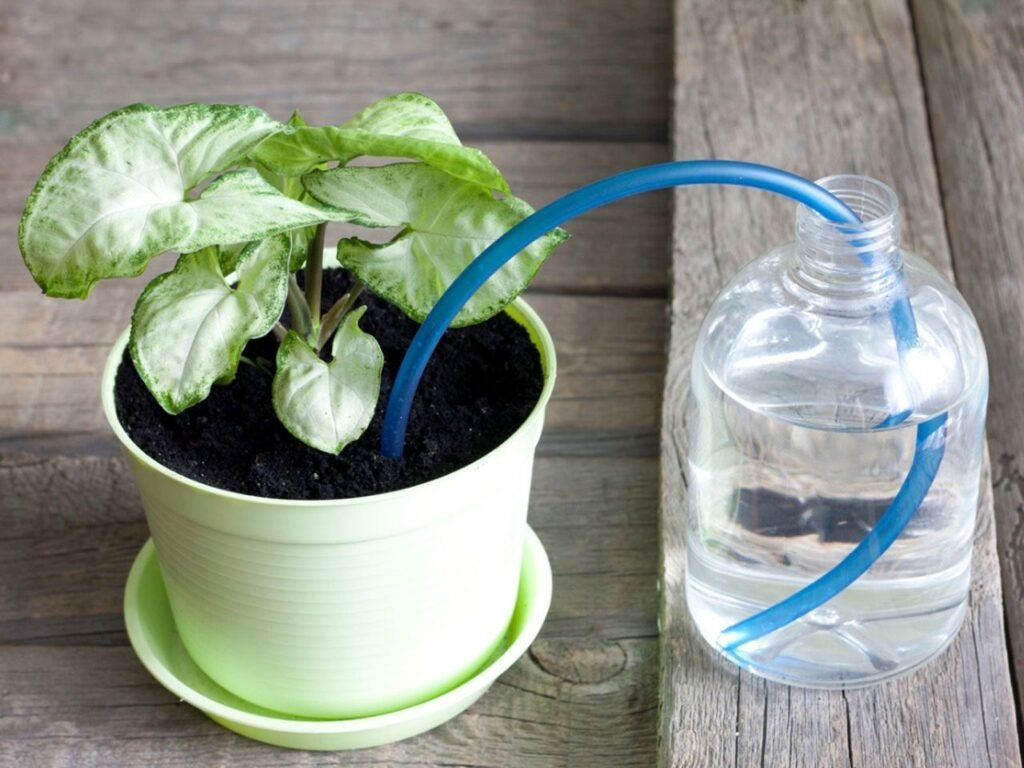
Watering is one of the most repetitive gardening tasks. Missing a watering session can harm plants, while overwatering can cause root damage. Managing this balance daily can take time.
Self-watering systems reduce this effort significantly.
These systems allow plants to absorb water as needed rather than relying on fixed schedules.
types of self-watering options:
| System Type | Description | Effort Saved |
| Self-watering pots | Built-in water reservoir | High |
| Drip irrigation | Slow, controlled watering | Very high |
| Bottle system | DIY slow-release method | Moderate |
basic benefits:
| Benefit | Impact |
| Consistent moisture | Healthier plants |
| Less daily effort | Saves time |
| Reduced guesswork | Easier management |
Even a simple DIY bottle system can make a noticeable difference in reducing daily work.
tip 3: group plants with similar needs
One of the hidden time-wasters in gardening is managing plants with different requirements individually. If one plant needs frequent watering and another needs very little, you end up constantly adjusting your routine.
Grouping plants with similar needs simplifies everything.
grouping strategy example:
| Group Type | Plants Included | Care Routine |
| Low-water group | Succulents, snake plant | Water every 2–3 weeks |
| Medium-water group | Herbs, leafy plants | Water weekly |
| High-light group | Tomatoes, peppers | Place in sunny area |
advantages of grouping:
| Advantage | Result |
| Simplified watering | Fewer adjustments |
| Better organization | Easier monitoring |
| Consistent care | Healthier plants |
Instead of managing each plant separately, you manage groups—saving both time and effort.
tip 4: mulch your soil to reduce maintenance
Mulching is one of the simplest yet most overlooked time-saving techniques. It involves covering the soil surface with a layer of material such as dry leaves, straw, or bark.
This small step can reduce watering needs and limit weed growth.
mulch benefits overview:
| Benefit | Effect |
| Moisture retention | Less frequent watering |
| Weed suppression | Reduced manual removal |
| Temperature control | Stable root environment |
types of mulch:
| Material | Best Use |
| Dry leaves | General use |
| Straw | Vegetable plants |
| Bark chips | Decorative and functional |
Mulching acts like a protective layer, reducing how often you need to intervene.
tip 5: create a simple weekly routine instead of daily tasks
One of the easiest ways to save time is to stop thinking of gardening as a daily responsibility.
Instead, organize tasks into a simple weekly routine.
example weekly plan:
| Day | Task |
| Monday | Check soil moisture |
| Wednesday | Inspect leaves for issues |
| Friday | Light pruning or cleaning |
| Sunday | Watering and general check |
why this works:
| Benefit | Result |
| Reduced frequency | Less daily effort |
| Better consistency | Organized care |
| Less stress | Clear schedule |
Plants don’t need constant attention—they need consistent care. A structured routine helps you provide that without overthinking.
time-saving comparison chart
| Tip Number | Strategy | Time Saved Level |
| 1 | Smart plant selection | Very high |
| 2 | Self-watering systems | Very high |
| 3 | Grouping plants | High |
| 4 | Mulching | Medium |
| 5 | Weekly routine | High |
common time-wasting mistakes
Even with the best intentions, certain habits can make gardening more time-consuming than necessary.
| Mistake | Better Approach |
| Overwatering daily | Check soil before watering |
| Mixing plant types | Group by needs |
| Ignoring soil quality | Use proper potting mix |
| Skipping planning | Follow simple routine |
Avoiding these mistakes can save hours over time.
a practical low-effort setup
Here’s a simple setup designed for minimal maintenance:
| Element | Recommendation |
| Plants | 3–5 low-maintenance varieties |
| Containers | Self-watering pots |
| Soil | Well-draining mix |
| Layout | Grouped by care needs |
| Routine | Weekly care schedule |
This setup keeps gardening manageable without sacrificing results.
final thoughts
Gardening doesn’t have to be time-intensive to be successful. In fact, some of the healthiest plants grow under simple, consistent systems rather than constant attention.
By choosing the right plants, automating watering, grouping wisely, using mulch, and following a weekly routine, you can reduce effort while maintaining a thriving garden.
The goal isn’t to spend more time—it’s to spend smarter time.
Once you make these small adjustments, gardening becomes less of a task and more of something you naturally enjoy.
frequently asked questions
- how can i reduce the time spent watering plants?
Using self-watering pots or drip systems can significantly reduce the need for daily watering.
- what type of plants require the least maintenance?
Succulents, snake plants, and ZZ plants are among the easiest to care for.
- is it okay to water plants only once a week?
For many plants, yes. It depends on the type and environment, but deep weekly watering is often sufficient.
- does mulching really save time?
Yes, it reduces watering frequency and limits weed growth, both of which save time.
- how do i know if i am spending too much time on gardening?
If you’re checking or watering plants daily without clear need, you may be over-maintaining them.
- can beginners follow these time-saving tips easily?
Absolutely. These tips are designed to simplify gardening, especially for beginners.
With the right approach, gardening becomes less about effort and more about efficiency—allowing you to enjoy the process without feeling overwhelmed.