There is a quiet satisfaction in growing your own food. Not just the act of planting, watering, and tending—but the moment you harvest something you nurtured yourself. Yet for many home gardeners, the results don’t always match the effort. Plants grow, yes—but yields remain modest. Leaves are fewer, fruits are smaller, and harvest cycles feel underwhelming.
The truth is, productivity in home gardening is not just about working harder. It is about working smarter. Small adjustments in technique, planning, and consistency can dramatically increase the output of even the smallest garden.
This guide explores nine powerful, practical tips designed to maximize yield in home gardening. These are not complicated or technical methods. Instead, they are smart strategies that optimize space, time, and plant health—helping you get more from every pot, bed, or corner of your home.
tip 1: choose high-yield plant varieties
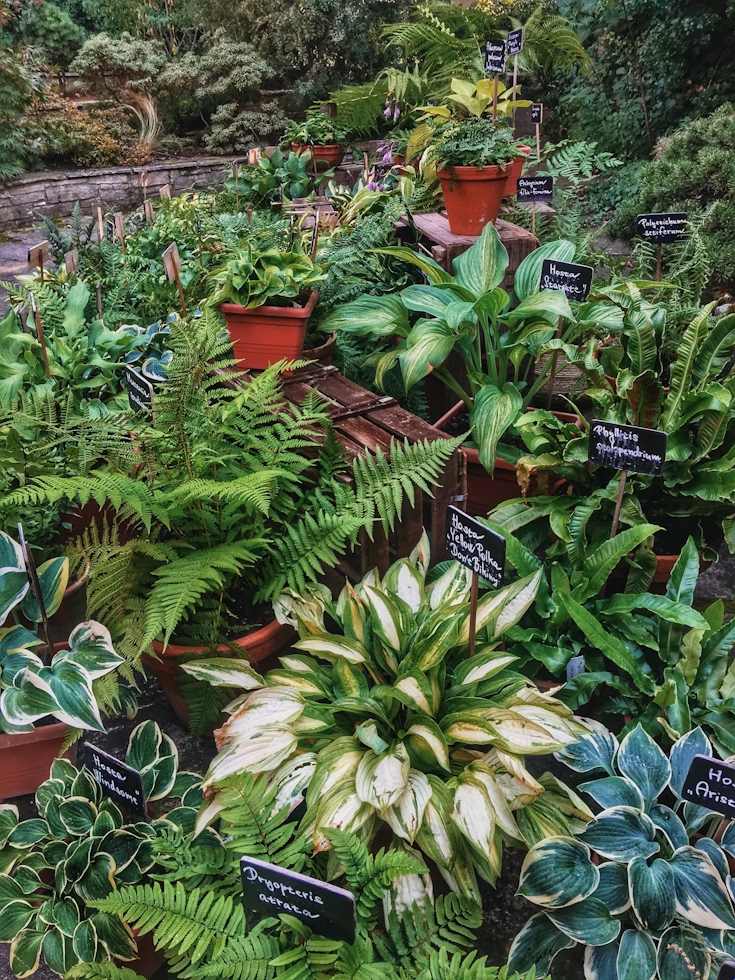
Not all plants are created equal. Some are naturally more productive than others, especially in limited spaces. Choosing high-yield varieties is the first and most important step toward maximizing output.
examples of high-yield crops
| Plant Type | High-Yield Variety | Yield Potential |
|---|---|---|
| Tomatoes | Cherry tomatoes | Continuous fruiting |
| Peppers | Small chili varieties | Frequent harvest |
| Leafy Greens | Spinach, lettuce | Multiple cuttings |
| Herbs | Basil, mint | Regrows after trimming |
why this matters
- produces more food per plant
- reduces need for extra space
- ensures consistent harvests
When space is limited, plant choice becomes a strategic decision rather than a casual one.
tip 2: maximize vertical space
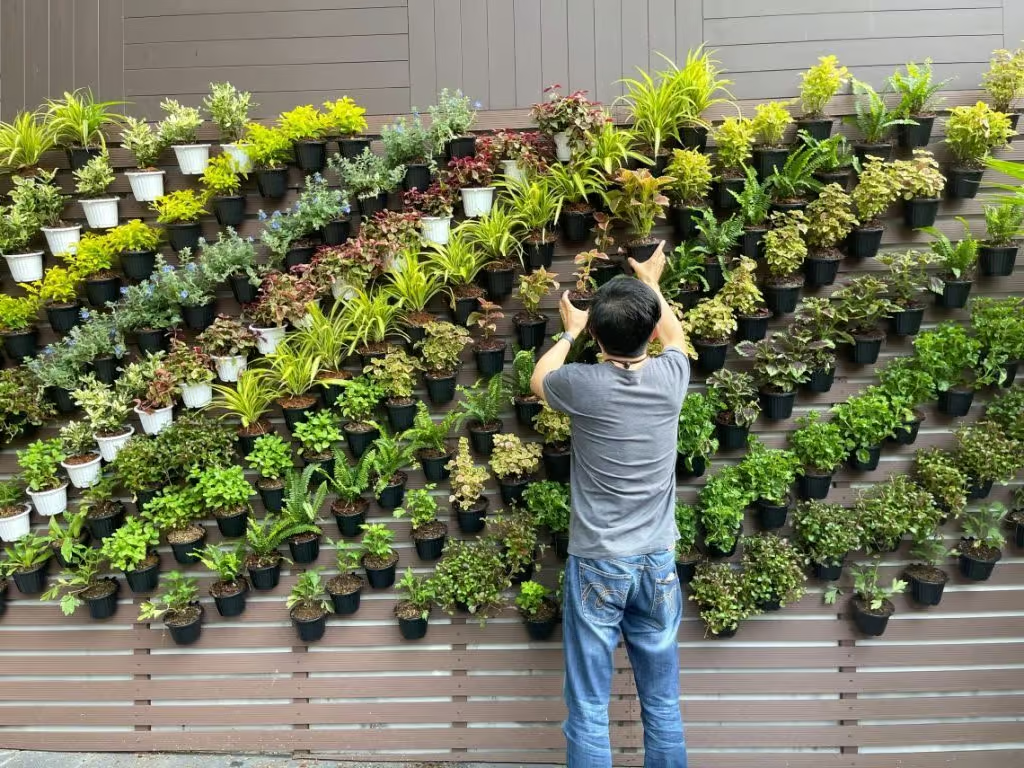
If your garden grows outward only, you are limiting its potential. Vertical gardening allows you to multiply your growing area without increasing your footprint.
vertical gardening options
| Method | Best For | Efficiency Level |
| Trellises | Climbing plants | High |
| Hanging baskets | Herbs, small plants | Medium |
| Wall planters | Leafy greens | High |
| Tiered shelves | Mixed plants | Very high |
benefits
- increases plant density
- improves air circulation
- reduces pest issues
- enhances sunlight exposure
Growing upward is one of the simplest ways to double or even triple your yield.
tip 3: optimize soil quality
Healthy soil is the foundation of productive gardening. Poor soil leads to weak plants and low yields, no matter how much care you provide.
ideal soil composition
| Component | Percentage | Purpose |
| Organic matter | 40% | Nutrient supply |
| Garden soil | 40% | Structure |
| Sand/perlite | 20% | Drainage |
soil improvement tips
- add compost regularly
- avoid compacted soil
- ensure proper drainage
- test soil occasionally
Plants can only produce as much as their roots allow. Better soil leads directly to better harvests.
tip 4: master watering techniques
Watering is often misunderstood. Both overwatering and underwatering can reduce yield significantly.
watering efficiency chart
| Plant Type | Watering Frequency | Key Tip |
| Leafy greens | Frequent | Keep soil moist |
| Vegetables | Moderate | Deep watering |
| Herbs | Moderate | Avoid soggy soil |
| Succulents | Low | Let soil dry out |
smart watering practices
- water early in the morning
- focus on roots, not leaves
- use self-watering systems if possible
Consistent watering encourages steady growth and higher productivity.
tip 5: use companion planting
Plants interact with each other in ways that can either help or hinder growth. Companion planting uses these relationships to boost yield naturally.
effective plant combinations
| Plant A | Plant B | Benefit |
| Basil | Tomatoes | Improves growth and flavor |
| Carrots | Onions | Pest control |
| Lettuce | Radishes | Efficient space use |
advantages
- reduces pests naturally
- improves nutrient use
- increases overall productivity
This technique allows you to grow more without adding more space.
tip 6: ensure proper sunlight exposure
Sunlight is one of the most critical factors in plant productivity. Without enough light, plants struggle to produce leaves, flowers, and fruits.
sunlight requirements
| Light Level | Duration | Suitable Plants |
| Full sun | 6–8 hours | Tomatoes, peppers |
| Partial sun | 3–6 hours | Herbs, leafy greens |
| Low light | <3 hours | Indoor plants |
optimization tips
- place plants strategically
- rotate pots regularly
- use reflective surfaces
- consider grow lights indoors
More light often translates directly into more yield.
tip 7: prune regularly for growth stimulation
Pruning may seem counterintuitive—removing parts of a plant to help it grow more—but it is highly effective.
pruning benefits
- encourages new growth
- improves airflow
- directs energy to productive areas
- prevents disease
pruning schedule
| Plant Type | Frequency |
| Herbs | Weekly |
| Tomatoes | Bi-weekly |
| Flowers | As needed |
Regular pruning keeps plants active and productive.
tip 8: feed plants consistently
Plants need nutrients to grow and produce. Over time, soil nutrients get depleted, especially in containers.
fertilizer guide
| Fertilizer Type | Benefit | Frequency |
| Organic compost | Balanced nutrition | Monthly |
| Liquid fertilizer | Quick nutrient boost | Bi-weekly |
| Slow-release | Long-term feeding | Every 2–3 months |
feeding tips
- avoid over-fertilizing
- follow plant-specific needs
- combine organic and liquid options
Consistent feeding supports continuous production.
tip 9: harvest smartly and frequently
Harvesting is not just the final step—it is part of the growth cycle. Regular harvesting encourages plants to produce more.
harvesting strategy
| Plant Type | Method |
| Leafy greens | Cut outer leaves |
| Herbs | Trim regularly |
| Vegetables | Pick when ripe |
benefits
- stimulates new growth
- prevents over-maturity
- increases total yield
The more you harvest, the more your plants often produce.
combined yield optimization chart
| Factor | Impact on Yield | Priority Level |
| Plant selection | Very high | Critical |
| Soil quality | Very high | Critical |
| Watering | High | Important |
| Sunlight | Very high | Critical |
| Pruning | Medium | Helpful |
| Fertilizing | High | Important |
| Harvesting | High | Important |
Focusing on high-impact factors delivers the best results.
common mistakes that reduce yield
| Mistake | Effect |
| Overcrowding plants | Competition for nutrients |
| Poor soil quality | Weak growth |
| Inconsistent care | Reduced productivity |
| Ignoring pests | Crop damage |
Avoiding these mistakes can significantly improve output.
weekly maintenance plan for maximum yield
| Day | Task |
| Monday | Check soil and moisture |
| Wednesday | Light pruning |
| Friday | Fertilizing (if needed) |
| Sunday | Harvest and inspection |
A simple routine keeps your garden productive without overwhelming effort.
frequently asked questions
- how can I increase yield in a small space
Use vertical gardening, choose high-yield plants, and optimize sunlight to maximize productivity. - what is the most important factor for high yield
Soil quality and sunlight are the most critical factors for plant growth and production. - how often should I fertilize my plants
Most plants benefit from fertilizing every 2–4 weeks, depending on the type of fertilizer used. - does pruning really increase yield
Yes, pruning encourages new growth and helps plants focus energy on producing more leaves or fruits. - can I grow high-yield plants indoors
Yes, with proper lighting and care, many plants like herbs and leafy greens can thrive indoors. - how do I know when to harvest
Harvest when plants reach maturity or when leaves and fruits are fresh and tender.
final thoughts
Maximizing yield in home gardening is not about doing more—it is about doing things right. By choosing productive plants, improving soil, managing water, and using smart techniques like vertical gardening and companion planting, you can transform even a small garden into a highly efficient system.
The beauty of gardening lies in its adaptability. You do not need acres of land or professional tools. With a thoughtful approach, even a few pots can produce more than you expect.
Start with one or two improvements, observe the results, and build from there. Over time, these small changes compound, leading to healthier plants, bigger harvests, and a more rewarding gardening experience.