There’s a moment most people have when they start gardening. It usually comes after the excitement fades a little—after the first few plants go in, after the watering routine settles in, and after a few leaves don’t look quite right. That moment is when you realize gardening isn’t just about planting things and waiting.
It’s about understanding patterns.
I didn’t see that at first. I thought success depended on buying the right soil or picking the “easy” plants. But over time, it became clear that a handful of core habits mattered more than anything else. Once those were in place, everything else—growth, yield, even plant health—started to fall into place.
These aren’t complicated techniques. They’re simple, practical, and surprisingly effective. The kind of things that quietly make the difference between plants that struggle and plants that thrive.
tip 1: learn to read your soil instead of just using it
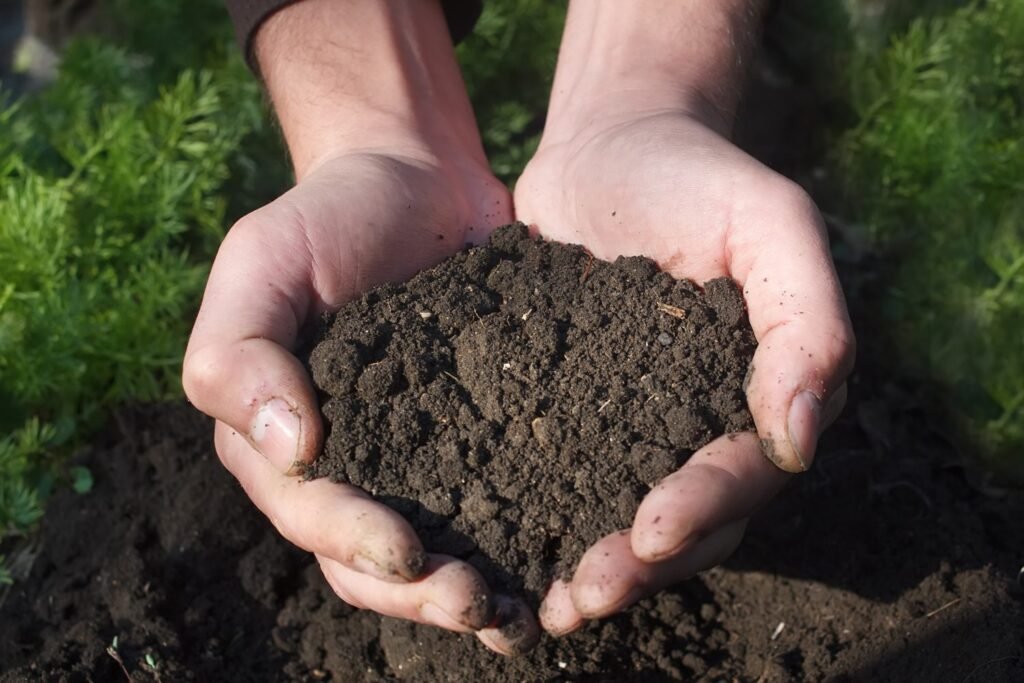
In the beginning, I treated soil like a fixed thing. You buy it, you use it, and that’s it. But soil isn’t static—it changes, reacts, and sometimes works against you if you don’t pay attention.
What changed everything for me was learning to “read” soil. Not in a scientific way, but in a practical, observational way.
basic soil indicators
| Soil Condition | What It Looks Like | What It Means |
|---|---|---|
| Too dry | Crumbly, light | Needs watering |
| Too wet | Sticky, dense | Poor drainage |
| Healthy | Loose, dark | Good structure |
| Nutrient-poor | Pale, compact | Needs enrichment |
simple soil test you can try
| Test Type | Method | Result Indicator |
|---|---|---|
| Hand squeeze | Squeeze moist soil in hand | Should crumble easily |
| Drainage test | Pour water, observe flow | Should drain steadily |
Once I started adjusting soil instead of ignoring it, plants responded quickly.
tip 2: stop following strict watering schedules
One of the most common habits in gardening is sticking to a fixed watering schedule. I did this for months—watering every morning, no matter what.
The problem is, plants don’t operate on calendars.
Some days they need more water. Some days less. Weather, soil type, and plant stage all affect water needs.
watering based on need
| Condition | Watering Action |
|---|---|
| Soil is dry | Water thoroughly |
| Soil is moist | Wait |
| Leaves drooping | Check soil first |
comparison of watering approaches
| Method | Outcome |
|---|---|
| Fixed schedule | Inconsistent results |
| Need-based | Healthier plants |
This shift alone improved plant health more than any product I tried.
tip 3: understand sunlight as a moving factor
I used to think of sunlight as something constant—either a spot gets sun or it doesn’t. But sunlight moves, changes intensity, and varies throughout the year.
Once I started observing how light shifts during the day, I realized some plants were getting too much exposure while others weren’t getting enough.
daily sunlight pattern example
| Time of Day | Light Intensity | Ideal Use |
|---|---|---|
| Morning | Mild | Most plants |
| Midday | Strong | Sun-loving plants |
| Evening | Soft | Shade-tolerant plants |
plant placement strategy
| Light Type | Plant Examples |
|---|---|
| Full sun | Tomatoes, chilies |
| Partial sun | Herbs, lettuce |
| Low light | Indoor foliage plants |
Adjusting placement instead of forcing plants to adapt made a noticeable difference.
tip 4: give roots space, not just leaves room
When plants don’t grow well, it’s easy to focus on what’s happening above the soil. But most growth issues start below it.
Roots need space, air, and access to nutrients. Crowded roots lead to slow growth, even if everything else seems fine.
container sizing guide
| Plant Type | Recommended Pot Size |
|---|---|
| Herbs | Small to medium |
| Vegetables | Medium to large |
| Root crops | Deep containers |
signs of root restriction
| Symptom | Possible Cause |
|---|---|
| Slow growth | Limited root space |
| Wilting quickly | Poor water retention |
| Roots circling | Pot too small |
Repotting or spacing plants properly often leads to faster recovery than expected.
tip 5: feed plants consistently, not occasionally
Feeding plants isn’t about doing it once and forgetting. Nutrients get used up over time, especially in containers.
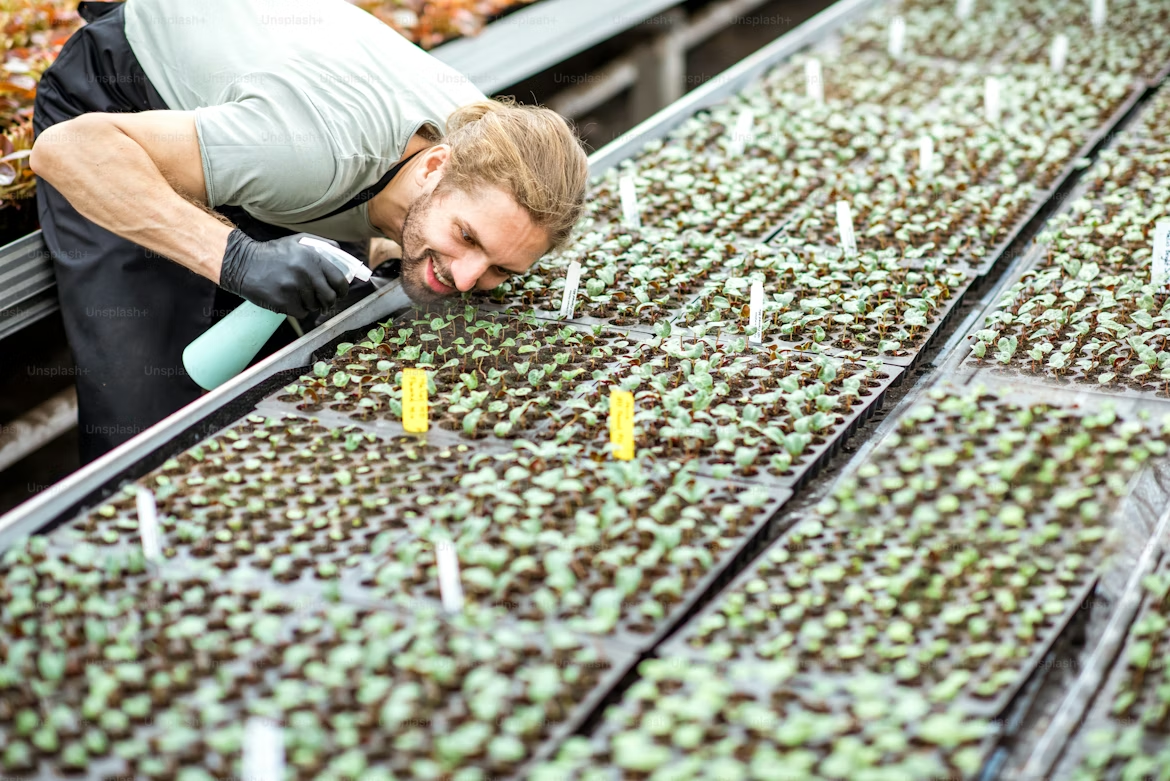
I used to add fertilizer occasionally, usually when something looked wrong. That reactive approach didn’t work well.
feeding schedule approach
| Growth Stage | Feeding Frequency |
|---|---|
| Seedling | Light feeding weekly |
| Growing | Every 10–14 days |
| Mature | Every 2–3 weeks |
nutrient impact chart
| Nutrient | Effect on Plant Growth |
|---|---|
| Nitrogen | Leaf development |
| Phosphorus | Root and flower growth |
| Potassium | Overall strength |
Consistent feeding keeps growth steady instead of uneven.
tip 6: observe before you act
This might be the most important tip—and the one that took me the longest to learn.
When something goes wrong, the instinct is to fix it immediately. Add water, change soil, apply fertilizer. But acting too quickly can make things worse.
Instead, I started observing first.
simple observation checklist
| Aspect | What to Look For |
|---|---|
| Leaves | Color, texture |
| Soil | Moisture level |
| Growth rate | Changes over time |
| Environment | Light, airflow |
common reaction vs observation
| Approach | Result |
|---|---|
| Immediate action | Sometimes worsens issue |
| Careful observation | Better decisions |
Slowing down often leads to better outcomes.
combined impact of these tips
After applying these six tips consistently, the overall improvement was clear.
performance comparison
| Factor | Before Applying Tips | After Applying Tips |
|---|---|---|
| Growth rate | Inconsistent | Steady |
| Plant health | Variable | Stable |
| Yield | Moderate | Improved |
| Maintenance effort | High | Balanced |
patterns that make gardening easier
Over time, a few patterns became obvious:
- Plants respond more to consistency than intensity
- Small adjustments often work better than big changes
- Observation is more useful than guesswork
- Simplicity tends to produce better results
These patterns don’t eliminate challenges, but they make them easier to manage.
final thoughts
Gardening doesn’t require perfection. It requires attention.
The six tips in this guide aren’t advanced techniques—they’re foundational habits. Once they become part of your routine, everything else becomes easier.
Plants grow at their own pace. They don’t rush, and they don’t follow strict rules. But they do respond—quietly and consistently—to the care they receive.
If something isn’t working, it’s rarely a mystery. The signs are usually there.
You just have to notice them.
frequently asked questions (faqs)
- what is the most important factor in home gardening?
Soil quality and proper watering are among the most important factors for healthy plant growth.
- how often should I water my plants?
Water when the top layer of soil feels dry rather than following a strict schedule.
- can plants recover from poor care?
Yes, many plants can recover if conditions improve and the roots remain healthy.
- how do I know if my plant needs more sunlight?
Signs include slow growth, pale leaves, and leaning toward light sources.
- is fertilizer necessary for home gardening?
Yes, especially in containers where nutrients deplete faster.
- what is the easiest way to improve plant growth quickly?
Improve soil quality, adjust watering habits, and ensure proper sunlight exposure.
If you want, I can refine this into a highly optimized SEO article, add keyword density, or format it for publishing on blogging platforms.