There’s a quiet assumption many people carry into gardening: that success comes from effort alone. Water more, check more, add more fertilizer, try harder. But over time, most gardeners discover something unexpected—effort without direction doesn’t always lead to better results.
Healthy plants don’t come from constant attention. They come from understanding a few key principles and applying them consistently. Once you grasp those principles, gardening becomes less about guesswork and more about rhythm.
This guide brings together eleven practical, experience-based tips that can dramatically improve your gardening results. These are not complicated techniques or expensive solutions. They are simple shifts in how you approach your plants, your space, and your routine.
tip 1: understand your environment before planting
Before buying any plant, take a moment to observe your space. This step is often skipped, but it’s one of the most important.
Look at how much sunlight your space gets, how temperatures change throughout the day, and how air moves through the area.
environment checklist:
| Factor | What to Observe |
|---|---|
| Sunlight | Hours of direct light |
| Temperature | Day vs night variation |
| Air circulation | Open or enclosed space |
| Humidity | Dry or moist environment |
Matching plants to your environment saves time and prevents unnecessary problems later.
tip 2: start with healthy soil, not just plants
It’s easy to focus on the plant itself and ignore what’s beneath it. But soil is where everything begins.
good soil characteristics:
| Feature | Importance |
| Drainage | Prevents root rot |
| Nutrient content | Supports growth |
| Texture | Allows root expansion |
simple soil improvement:
| Additive | Benefit |
| Compost | Adds nutrients |
| Sand | Improves drainage |
| Organic matter | Enhances structure |
Healthy soil reduces the need for constant corrections later.
tip 3: water deeply, not frequently
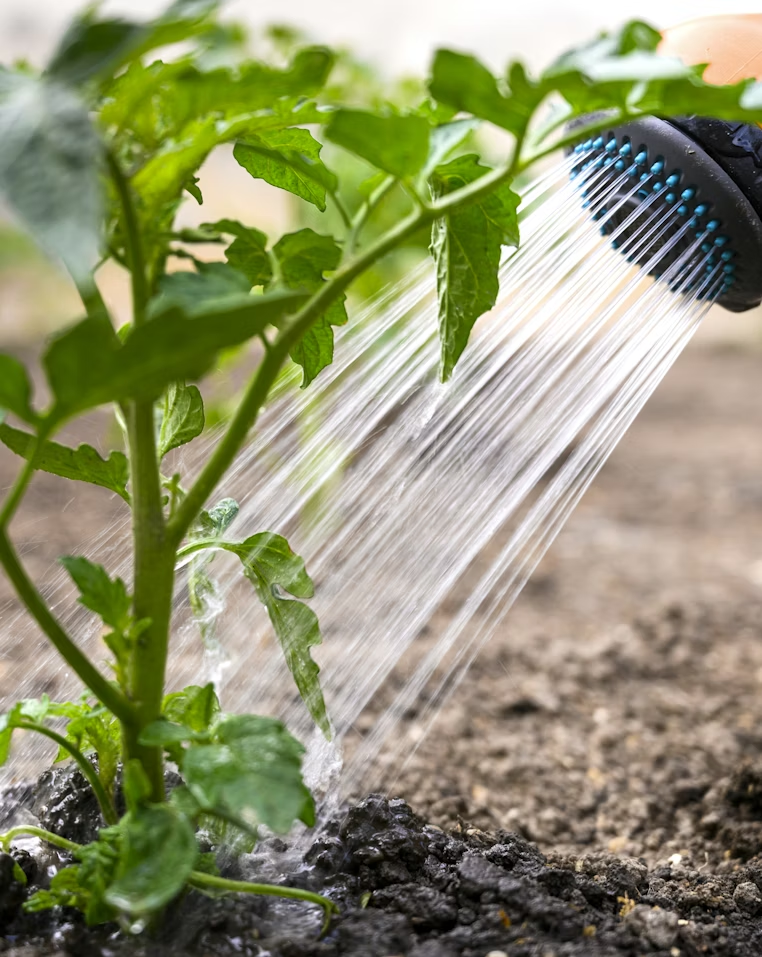
Frequent light watering creates weak roots. Deep watering encourages roots to grow downward, making plants more resilient.
watering comparison:
| Method | Result |
| Shallow watering | Weak roots |
| Deep watering | Strong, stable roots |
timing guide:
| Time of Day | Effect |
| Morning | Best absorption |
| Afternoon | High evaporation |
| Evening | Risk of disease |
tip 4: choose the right container size
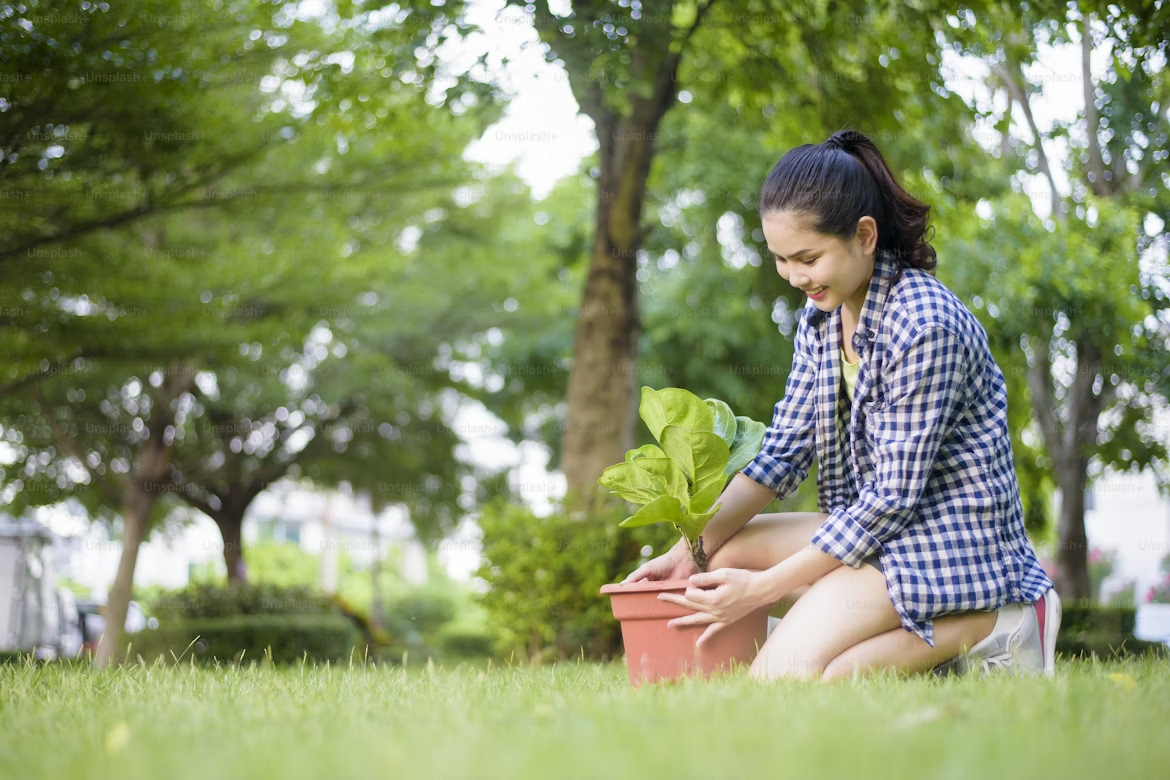
Container size has a bigger impact than many realize. Too small, and roots become cramped. Too large, and soil retains too much moisture.
container sizing guide:
| Plant Size | Recommended Pot Size |
| Small herbs | Small pots |
| Medium plants | Medium containers |
| Large plants | Deep, wide pots |
Proper sizing reduces maintenance and improves growth.
tip 5: learn to read your plants
Plants communicate through their appearance. Leaves, stems, and growth patterns all provide clues.
common signals:
| Symptom | Meaning |
| Yellow leaves | Overwatering or poor soil |
| Drooping | Water imbalance |
| Slow growth | Nutrient or light issue |
Observation saves time and prevents bigger problems.
tip 6: use natural light wisely
Light is one of the most important factors in plant health. Not all plants need the same amount.
light categories:
| Type | Daily Exposure |
| Full sun | 6–8 hours |
| Partial light | 3–6 hours |
| Low light | Less than 3 hours |
Placing plants correctly reduces the need for constant adjustments.
tip 7: prune regularly but carefully
Pruning helps plants grow better by removing dead or unnecessary parts.
pruning benefits:
| Benefit | Effect |
| Better airflow | Reduces disease |
| Controlled growth | Maintains shape |
| Energy focus | Stronger new growth |
Avoid removing too much at once.
tip 8: group plants by similar needs
Managing plants individually can be time-consuming. Grouping simplifies care.
grouping example:
| Group Type | Care Routine |
| Low-water plants | Water every 2–3 weeks |
| Medium-water | Weekly watering |
| High-light | Place in sunny spots |
This reduces confusion and saves time.
tip 9: prevent pests before they spread
Waiting for pests to appear in large numbers makes control harder. Prevention is easier.
prevention methods:
| Method | Purpose |
| Clean surroundings | Removes hiding spots |
| Regular checks | Early detection |
| Natural sprays | Mild control |
Healthy plants are less likely to attract pests.
tip 10: keep your routine simple
Overcomplicating gardening leads to inconsistency. A simple routine works better.
weekly routine:
| Day | Task |
| Monday | Check soil moisture |
| Wednesday | Inspect leaves |
| Friday | Light pruning |
| Sunday | Water and review |
Consistency matters more than frequency.
tip 11: be patient and adjust gradually
Gardening is a process. Not every plant will thrive immediately, and that’s normal.
growth mindset:
| Approach | Outcome |
| Immediate fixes | Temporary solutions |
| Gradual changes | Long-term improvement |
Learning takes time, and plants respond slowly.
overall success framework
| Tip Number | Focus Area | Impact Level |
| 1 | Environment | Very high |
| 2 | Soil | Very high |
| 3 | Watering | High |
| 4 | Containers | Medium |
| 5 | Observation | Very high |
| 6 | Light | High |
| 7 | Pruning | Medium |
| 8 | Grouping | High |
| 9 | Pest prevention | High |
| 10 | Routine | Very high |
| 11 | Patience | Essential |
common mistakes to avoid
| Mistake | Better Alternative |
| Overwatering | Check soil first |
| Ignoring light needs | Match plant to location |
| Using poor soil | Improve soil quality |
| Overcomplicating care | Keep routine simple |
practical beginner setup
| Element | Recommendation |
| Plants | 3–5 easy varieties |
| Containers | Properly sized pots |
| Soil | Well-draining mix |
| Placement | Based on light availability |
| Routine | Weekly schedule |
final thoughts
Success in home gardening doesn’t come from doing everything—it comes from doing the right things consistently.
When you understand your environment, use good soil, water properly, and observe your plants, everything starts to fall into place. The process becomes smoother, and the results become more predictable.
Gardening stops feeling like a task and starts feeling like a natural part of your routine.
frequently asked questions
- what is the most important factor in gardening success?
Soil and watering are often the most critical. Without healthy soil and proper watering, plants struggle to grow.
- how often should i water my plants?
It depends on the plant, but generally when the top layer of soil feels dry.
- can beginners follow all these tips easily?
Yes, these tips are designed to be simple and practical for beginners.
- why are my plants not growing well?
Common reasons include poor soil, incorrect light, or improper watering.
- do i need expensive tools to succeed in gardening?
No, basic tools and proper knowledge are usually enough.
- how long does it take to see improvement?
You may notice changes within a few weeks once proper care is applied consistently.
By focusing on these eleven practical tips and applying them gradually, you can build a gardening routine that is both effective and enjoyable.