Life rarely slows down long enough for hobbies that demand patience. Between work deadlines, family responsibilities, and the constant pull of daily routines, even simple tasks can feel overwhelming. Gardening, for many, falls into that category—a rewarding activity that somehow seems to require more time than one can afford.
But the reality is quite different. Gardening does not have to be time-consuming or complicated. With the right strategies, it can fit seamlessly into even the busiest schedules. The key lies in efficiency—doing less, but doing it smarter.
This article explores three quick and practical home gardening tips designed specifically for people who don’t have hours to spare. These are not shortcuts that compromise results. Instead, they are focused methods that reduce effort while maintaining healthy, thriving plants. Along the way, you’ll find structured tables, schedules, and simple systems that make gardening both manageable and enjoyable.
tip 1: choose low-maintenance plants that thrive on neglect
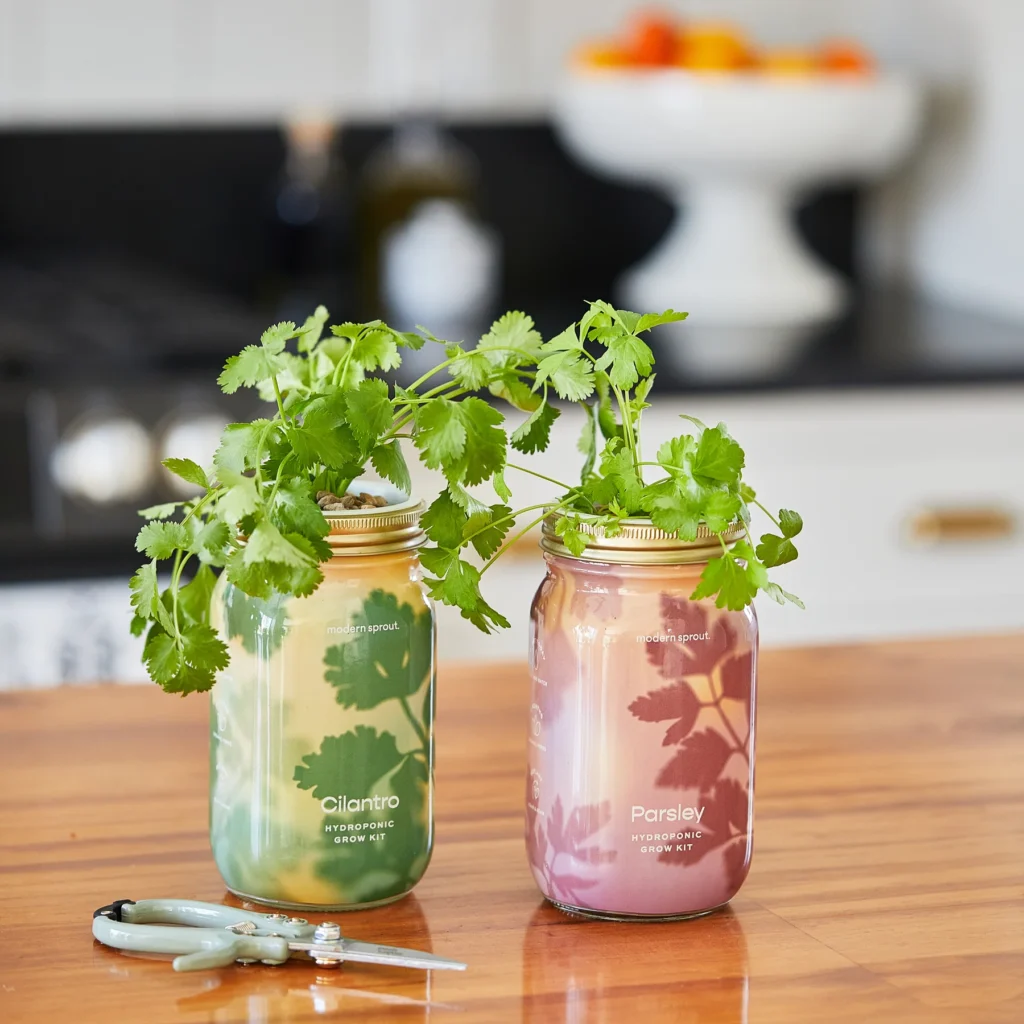
The foundation of a time-saving garden begins with plant selection. Many people unknowingly choose plants that require constant attention—frequent watering, precise lighting, and careful pruning. For a busy person, this quickly becomes unsustainable.
Low-maintenance plants, on the other hand, are designed by nature to survive in less-than-perfect conditions. They tolerate irregular care, adapt to indoor environments, and still manage to grow steadily.
examples of low-maintenance plants
| Plant Type | Examples | Why They Are Ideal |
|---|---|---|
| Succulents | Aloe, jade | Store water, need little care |
| Indoor plants | Snake plant, pothos | Survive in low light |
| Herbs | Mint, chives | Regrow easily after trimming |
| Leafy greens | Spinach, lettuce | Fast and forgiving |
why this works
- reduces watering frequency
- minimizes plant stress
- lowers chances of failure
- saves time consistently
care requirement comparison
| Plant Category | Care Level | Time Required Weekly |
| High-maintenance | High | 1–2 hours |
| Medium | Moderate | 30–60 minutes |
| Low-maintenance | Low | 10–20 minutes |
By simply switching to low-maintenance plants, you reduce your gardening workload significantly without sacrificing results.
tip 2: automate watering and simplify routines
One of the most common reasons plants fail is inconsistent watering. Busy schedules make it easy to forget, and by the time you remember, the plant is already stressed.
Automation solves this problem completely. It ensures that your plants receive the right amount of water at the right time—without requiring daily attention.
watering solutions for busy people
| Method | Best Use Case | Effort Level |
| Self-watering pots | Indoor plants | Very low |
| Water globes | Small containers | Very low |
| Drip irrigation | Balcony gardens | Low |
| Smart timers | Larger setups | Low |
benefits of automated watering
- consistent moisture levels
- reduced plant stress
- fewer maintenance tasks
- peace of mind during busy days
simple weekly watering plan
| Day | Task |
| Monday | Check water levels |
| Thursday | Refill systems if needed |
| Weekend | Inspect plant health |
With automation, watering becomes a background process rather than a daily chore.
tip 3: create a compact, organized gardening setup
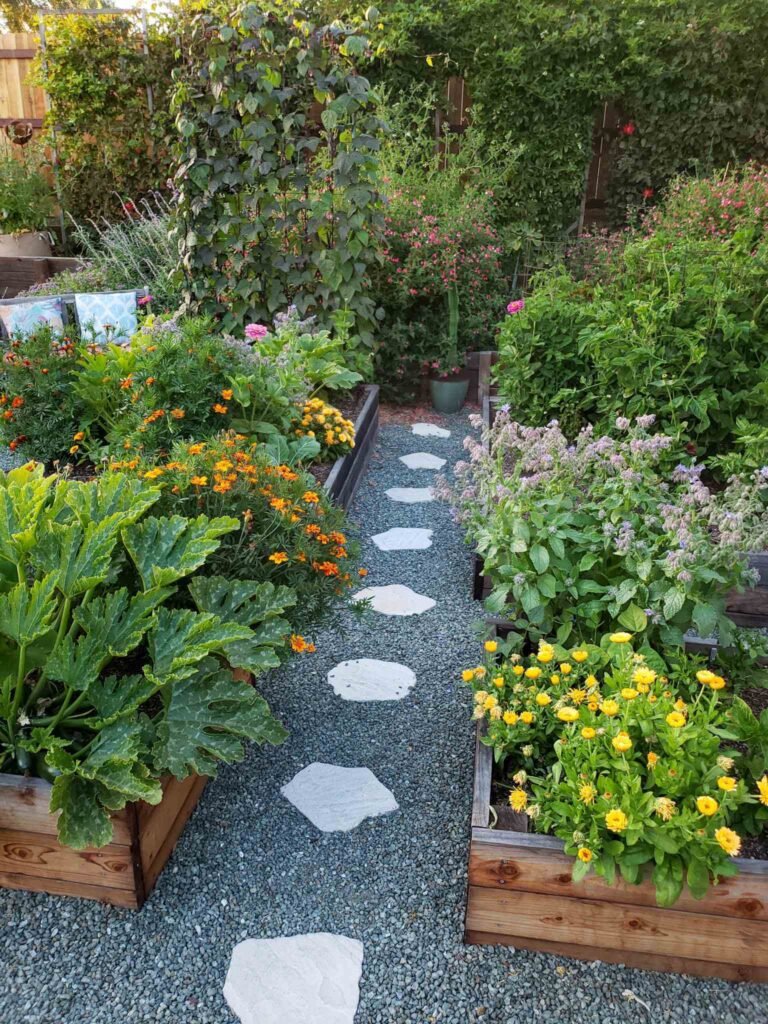
Time is often lost not in gardening itself, but in the effort it takes to manage scattered plants. Walking from one corner to another, searching for tools, or adjusting placements can add unnecessary complexity.
A compact, organized setup eliminates this problem. When everything is in one place, gardening becomes faster and more efficient.
layout ideas for small, efficient gardens
| Area | Setup Idea |
| Window sill | Herbs and small plants |
| Wall space | Vertical planters |
| Corner shelf | Tiered plant arrangement |
| Kitchen counter | Quick-access herbs |
advantages of an organized setup
- reduces movement and effort
- improves accessibility
- makes maintenance quicker
- enhances visual appeal
vertical vs horizontal setup comparison
| Setup Type | Space Usage | Efficiency Level |
| Horizontal | High | Medium |
| Vertical | Low | High |
By keeping your garden compact and structured, you save both time and energy.
combining all three tips into one system
The real power lies in combining these strategies. When low-maintenance plants, automated watering, and organized layouts work together, gardening becomes almost effortless.
example integrated setup
| Component | Implementation |
| Plants | Low-maintenance varieties |
| Watering | Self-watering containers |
| Layout | Vertical + compact design |
This system requires minimal daily attention while delivering consistent results.
time-saving gardening chart
Below is a practical breakdown of how much time you actually need:
| Task | Traditional Method | Smart Method |
| Watering | Daily | Weekly |
| Monitoring | Daily | 2–3 times/week |
| Maintenance | 1–2 hours/week | 20–30 mins |
The difference is not just noticeable—it is transformative.
common mistakes busy people should avoid
Even with simple systems, certain mistakes can create unnecessary work.
| Mistake | Outcome |
| Overwatering | Root damage |
| Poor plant selection | High maintenance |
| Disorganized setup | Time wasted |
| Ignoring light needs | Slow or weak growth |
Avoiding these ensures that your efforts remain minimal and effective.
quick-start guide for beginners
If you are starting from scratch, here is a simple plan:
| Step | Action |
| 1 | Choose 3–5 low-maintenance plants |
| 2 | Buy self-watering pots |
| 3 | Place near a bright window |
| 4 | Set a weekly check routine |
This setup can be completed in under an hour and maintained in minutes each week.
why simple gardening works better for busy lifestyles
Complex systems often fail because they demand too much consistency. Simple systems, on the other hand, adapt to your routine.
Gardening should not feel like another obligation. When done right, it becomes a relaxing break—a moment of calm in an otherwise busy day.
The less time it demands, the more likely you are to stick with it.
frequently asked questions
- can I maintain a garden with a very busy schedule
Yes, by choosing low-maintenance plants and using automated watering systems, you can manage a garden with minimal time. - what is the easiest plant for busy people
Snake plants, pothos, and mint are among the easiest because they require very little care. - how often do I need to check my plants
With proper setup, checking your plants 2–3 times a week is usually enough. - do I need expensive tools to start
No, basic containers and simple watering solutions are sufficient for a small home garden. - what if I forget to water my plants
Using self-watering pots or water globes can prevent damage from missed watering. - can I grow plants indoors without much sunlight
Yes, many plants thrive in low-light conditions, especially indoor varieties like snake plants and pothos.
final thoughts
Gardening does not have to compete with your schedule. It can adapt to it. By focusing on low-maintenance plants, automating essential tasks, and organizing your space efficiently, you can enjoy all the benefits of gardening without the usual time commitment.
The idea is not to do more—it is to do less, but better. A small, well-planned garden can be just as rewarding as a large one, if not more.
In the end, even the busiest person can find room for a little green. And sometimes, that small touch of nature is exactly what makes a busy life feel more balanced.