Starting a home garden is one of the most rewarding ways to connect with nature, grow your own food, and create a calming environment right outside your door. However, beginners often underestimate the importance of having the right tools. Using proper gardening tools not only makes tasks easier but also improves efficiency, reduces strain, and ensures better results.
This article explores the ten essential home gardening tools every beginner should have, along with practical insights, comparison tables, and useful guidance to help you build a strong foundation for your gardening journey.
understanding why tools matter in gardening
Before diving into the tools themselves, it is important to understand why investing in proper equipment matters. Gardening involves repetitive physical tasks such as digging, pruning, watering, and weeding. Without the right tools:
- Tasks become time-consuming
- Plants may be damaged due to improper handling
- Physical strain increases
- Results may be inconsistent
The right tools simplify these processes and allow you to focus more on nurturing your plants rather than struggling with the mechanics.
- hand trowel
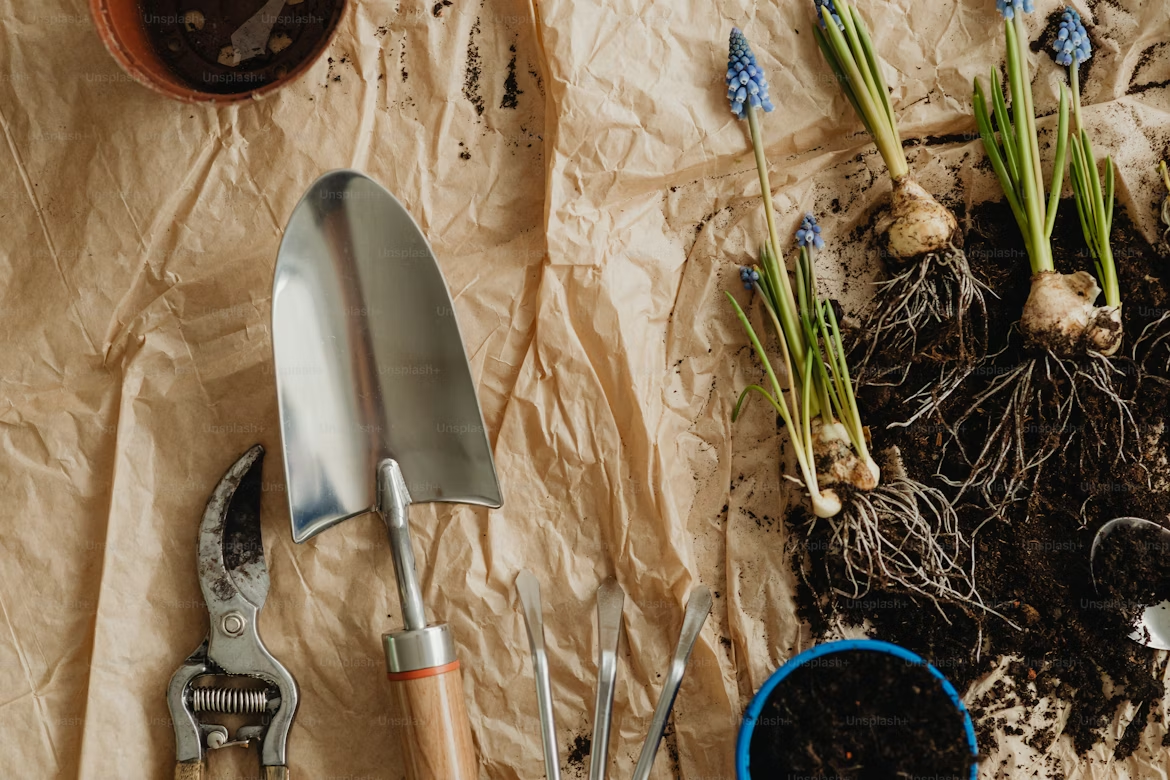
A hand trowel is one of the most basic yet indispensable tools for any gardener. It is a small handheld shovel used for digging, planting, and transferring soil.
Key uses:
- Planting seedlings
- Digging small holes
- Mixing soil and compost
- Removing weeds from tight spaces
What to look for:
- Stainless steel blade for durability
- Comfortable grip
- Rust-resistant material
- pruning shears
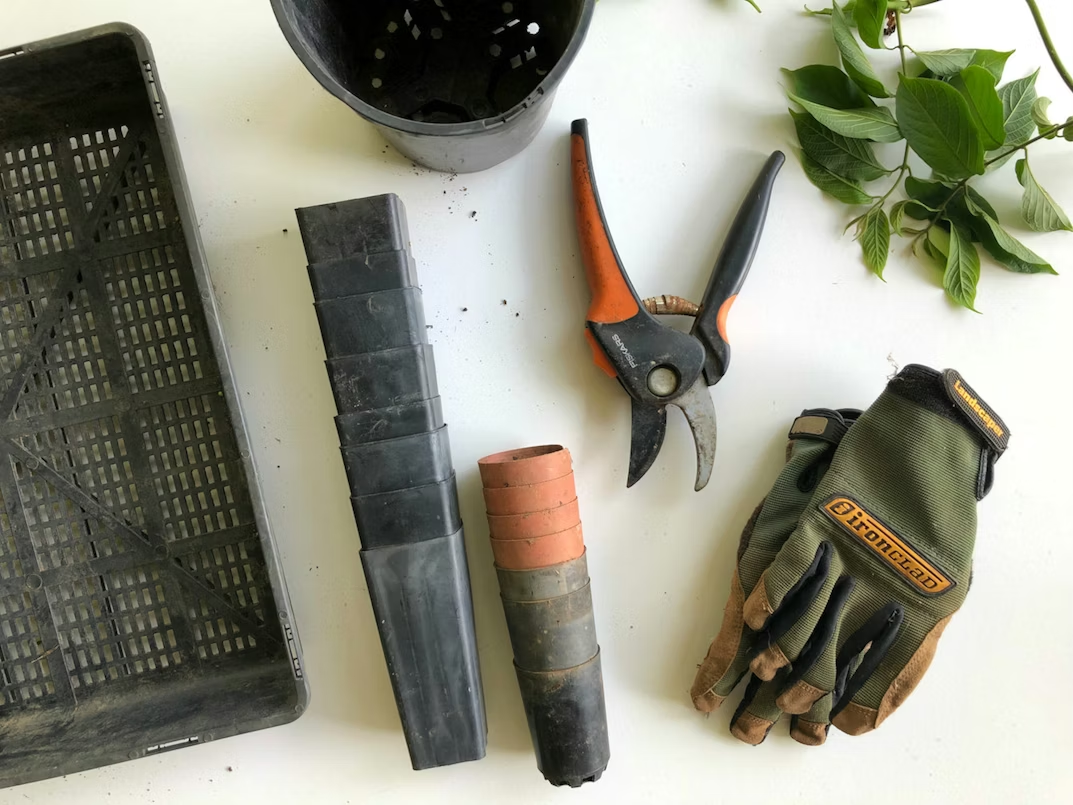
Pruning shears, also known as secateurs, are used to trim and shape plants. They are essential for maintaining plant health and encouraging growth.
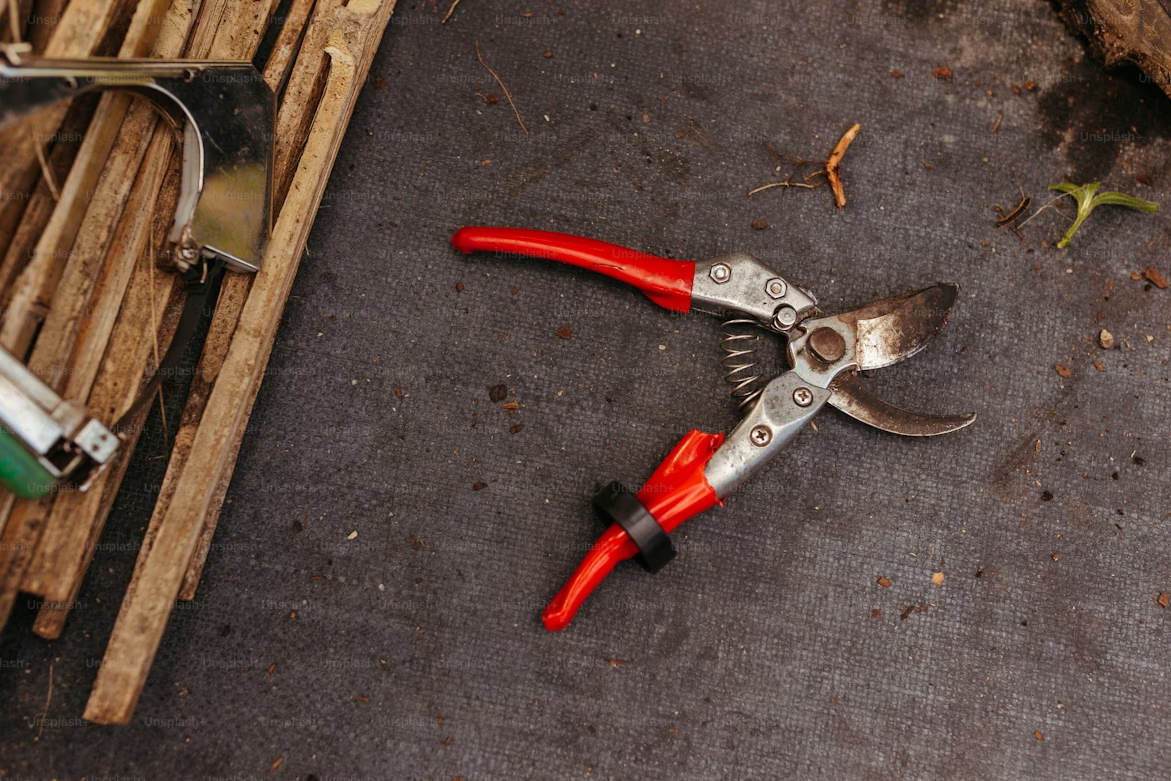
Key uses:
- Cutting dead or overgrown branches
- Harvesting fruits and vegetables
- Shaping shrubs
Types:
- Bypass pruners (best for live plants)
- Anvil pruners (better for dead wood)
- garden gloves
Garden gloves protect your hands from cuts, blisters, and dirt. Many beginners overlook gloves, but they are crucial for safety and comfort.
Key features:
- Breathable fabric
- Water resistance
- Reinforced fingertips
Benefits:
- Prevent injuries
- Improve grip
- Keep hands clean
- watering can or hose
Watering is fundamental to plant survival. Beginners can choose between a watering can and a garden hose depending on the size of their garden.
Comparison table:
| Feature | Watering Can | Garden Hose |
|---|---|---|
| Best for | Small gardens | Large gardens |
| Portability | High | Moderate |
| Water control | Precise | Adjustable |
| Cost | Low | Medium |
- garden fork
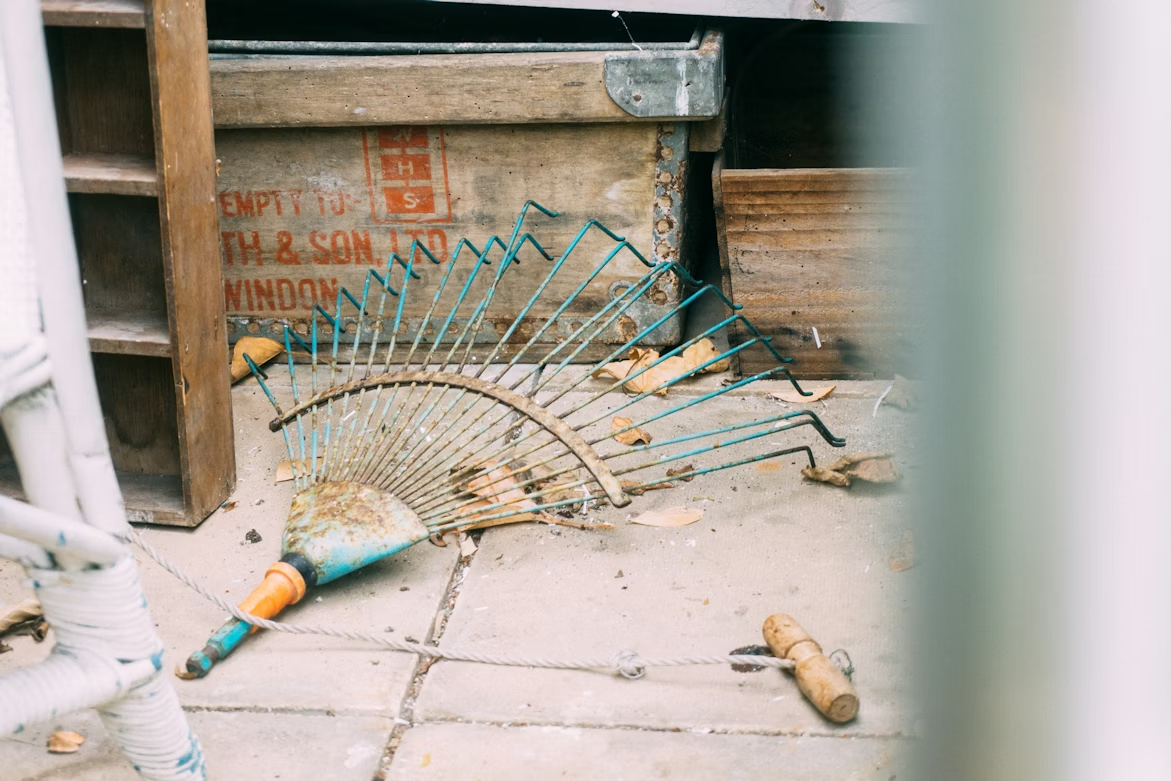
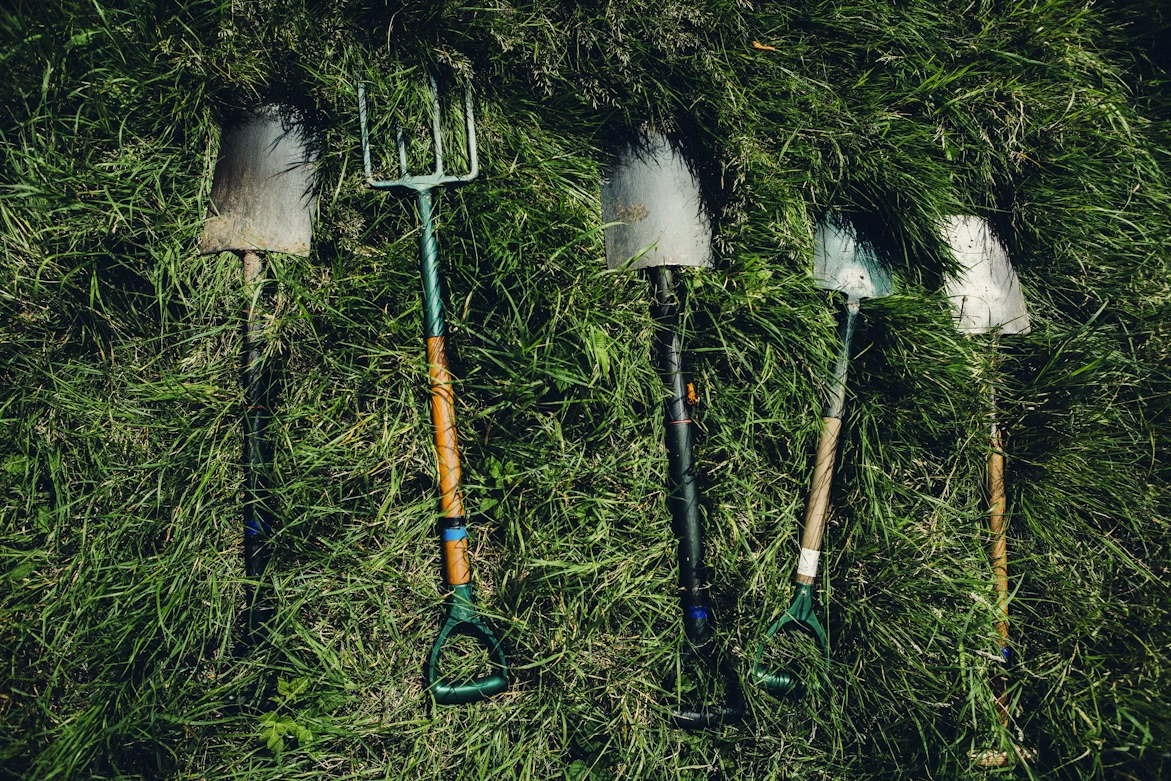
A garden fork is used for loosening soil and improving aeration. It is particularly useful in compacted or clay-heavy soil.
Key uses:
- Breaking up hard soil
- Mixing compost
- Removing roots
Advantages:
- Stronger than a shovel in dense soil
- Less damaging to soil structure
- spade
A spade is a flat-bladed tool used for digging and edging. It is different from a shovel because of its straight edge.
Key uses:
- Digging planting beds
- Creating borders
- Moving soil
Essential characteristics:
- Sharp edge
- Strong handle
- Durable blade
- rake
A rake is used for leveling soil and collecting debris such as leaves and grass clippings.
Types of rakes:
| Type | Purpose |
|---|---|
| Leaf rake | Collecting leaves |
| Garden rake | Leveling soil |
| Thatch rake | Removing dead grass |
- wheelbarrow
A wheelbarrow is essential for transporting heavy materials like soil, compost, and plants.
Benefits:
- Saves time and effort
- Reduces physical strain
- Allows easy movement of materials
Choosing tips:
- Single wheel for maneuverability
- Double wheel for stability
- hoe
A hoe is primarily used for weeding and shaping soil. It is especially useful for maintaining garden beds.
Key uses:
- Removing weeds
- Creating rows for planting
- Breaking up soil crust
Common types:
- Draw hoe
- Stirrup hoe
- garden sprayer
A garden sprayer helps apply fertilizers, pesticides, or water evenly across plants.
Advantages:
- Even distribution
- Time-saving
- Ideal for delicate plants
Types:
- Handheld sprayers
- Pump sprayers
- Backpack sprayers
tool maintenance basics
Owning tools is only part of the equation. Maintaining them properly ensures longevity and effectiveness.
Maintenance checklist:
| Task | Frequency |
|---|---|
| Clean after use | Every time |
| Sharpen blades | Monthly |
| Oil metal parts | Every 2–3 months |
| Store in dry place | Always |
beginner tool kit summary
Below is a quick overview of the essential tools and their primary purpose:
| Tool | Primary Function | Importance Level |
|---|---|---|
| Hand trowel | Planting and digging | High |
| Pruning shears | Trimming plants | High |
| Garden gloves | Hand protection | High |
| Watering can/hose | Watering plants | High |
| Garden fork | Soil aeration | Medium |
| Spade | Digging | High |
| Rake | Leveling and cleaning | Medium |
| Wheelbarrow | Transporting materials | Medium |
| Hoe | Weeding | High |
| Garden sprayer | Applying treatments | Medium |
how to choose the right tools as a beginner
Choosing tools can feel overwhelming, but focusing on a few key factors simplifies the process:
- quality over quantity
Invest in fewer high-quality tools rather than many cheap ones. - comfort and ergonomics
Tools should feel comfortable in your hands to prevent fatigue. - garden size
Small gardens require fewer tools, while larger spaces need more equipment. - material
Stainless steel and hardwood handles tend to last longer.
common mistakes beginners make
Even with the right tools, beginners often make mistakes that hinder their progress.
- Buying too many tools at once
- Ignoring maintenance
- Using the wrong tool for the job
- Choosing tools based on price alone
- Not testing comfort before purchase
Avoiding these mistakes can significantly improve your gardening experience.
seasonal tool usage guide
Different tools are more useful during specific seasons.
| Season | Most Used Tools |
|---|---|
| Spring | Trowel, spade, rake |
| Summer | Watering can, sprayer, hoe |
| Autumn | Rake, pruning shears |
| Winter | Pruners, maintenance tools |
building your gardening confidence
Tools are not just instruments; they are extensions of your effort and creativity. As you become familiar with them, tasks that once seemed difficult become second nature.
Start small. Focus on learning how to use each tool effectively. Over time, your confidence will grow, and so will your garden.
frequently asked questions (faqs)
- what is the most important gardening tool for beginners
The hand trowel is often considered the most essential tool because it is used for planting, digging, and soil preparation. - can i start gardening with just a few tools
Yes, you can begin with basic tools like a trowel, gloves, and a watering can. Additional tools can be added as your garden expands. - how do i maintain my gardening tools
Clean them after each use, keep them dry, sharpen blades regularly, and store them in a protected area. - are expensive gardening tools worth it
High-quality tools usually last longer and perform better, making them a worthwhile investment over time. - what type of watering method is best for beginners
A watering can is ideal for small gardens because it provides better control, while hoses are better for larger areas. - how do i know which tool to use for a task
Understanding the basic function of each tool helps. For example, use a trowel for digging small holes, a hoe for weeding, and pruning shears for cutting plants.
conclusion
Gardening is a journey that begins with simple steps and grows into a fulfilling practice. Having the right tools is crucial for making this journey enjoyable and productive. The ten essential tools discussed in this article provide a solid starting point for any beginner.
By investing in quality tools, learning proper techniques, and maintaining your equipment, you set yourself up for long-term success. With time, patience, and care, your garden will not only flourish but also become a source of pride and relaxation.