There’s something quietly satisfying about stepping into your own garden and seeing things grow because of your effort. Whether it’s a small balcony setup or a full backyard garden, the results you get are often tied directly to the tools you use. Many beginners assume gardening is just about seeds, soil, and sunlight, but experienced gardeners know that the right tools can completely transform both the process and the outcome.
This guide walks through nine powerful home gardening tools that make a real difference. Instead of just listing them, we’ll explore how they work, why they matter, and how they improve your gardening results in practical terms. Along the way, you’ll also find comparison tables and usage insights to help you choose wisely.
- Hand Trowel: The Everyday Essential
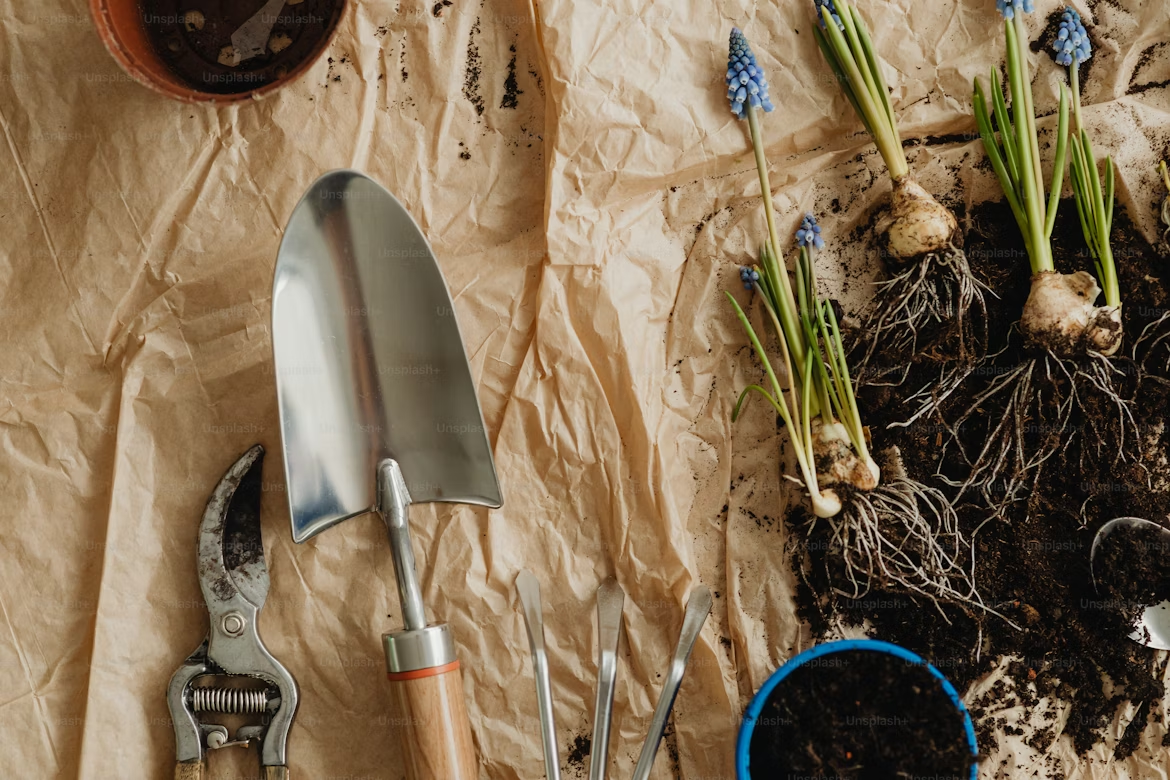
If you could only own one gardening tool, the hand trowel would probably be it. It’s simple, but incredibly versatile.
A hand trowel is used for digging small holes, transplanting seedlings, loosening soil, and even removing weeds. What makes it powerful isn’t complexity—it’s precision. You can work around delicate roots without disturbing the surrounding soil too much.
Key benefits:
- Allows precise planting
- Ideal for container gardening
- Reduces root damage during transplanting
Comparison of Trowel Types:
| Type | Best Use | Material Strength | Durability |
|---|---|---|---|
| Basic Plastic | Light soil, indoor plants | Low | Low |
| Stainless Steel | General gardening | High | High |
| Carbon Steel | Tough soil, heavy use | Very High | Very High |
A good trowel feels balanced in your hand. That matters more than people think, especially when you’re working for long periods.
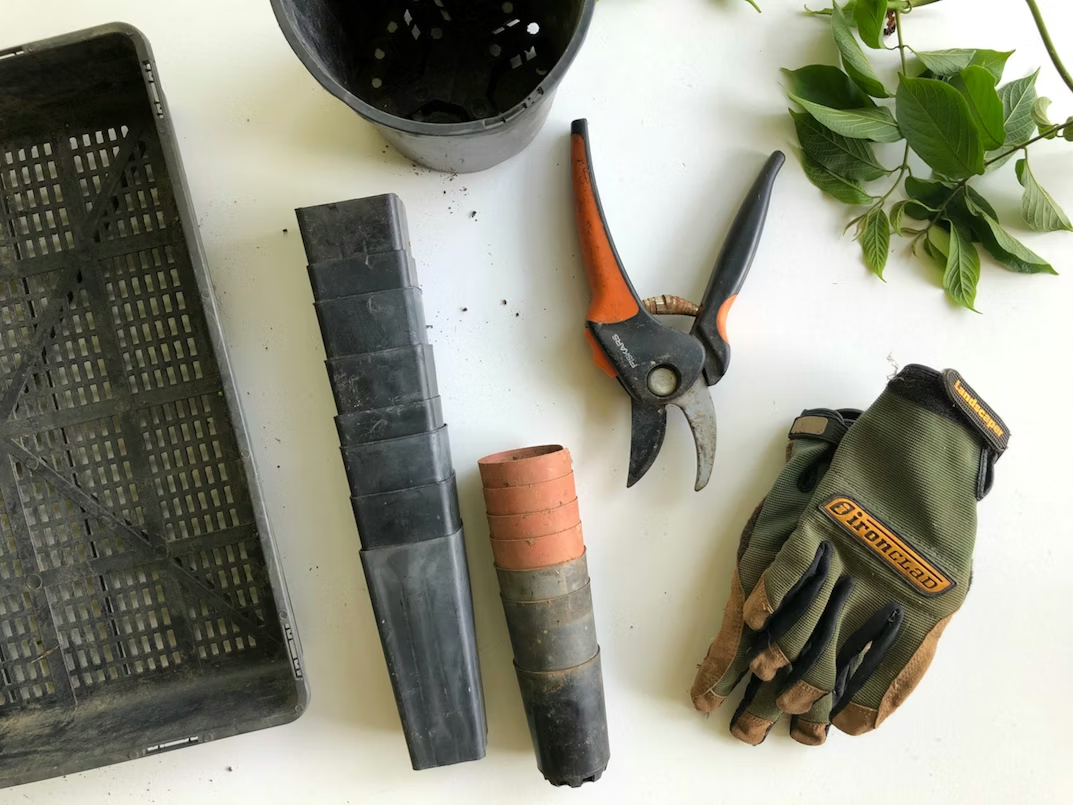
- Pruning Shears: Shaping Growth
Plants don’t just grow—they respond to how they are managed. Pruning shears are essential for controlling that growth.
These tools allow you to trim dead branches, shape plants, and encourage healthier development. When used correctly, pruning doesn’t harm plants—it strengthens them.
Why pruning matters:
- Removes diseased or dead parts
- Encourages new growth
- Improves airflow and sunlight exposure
Types of Pruning Shears:
| Type | Best For | Cutting Style |
| Bypass Shears | Live plants | Scissor-like |
| Anvil Shears | Dead wood | Crushing cut |
| Ratchet Shears | Thick branches | Step-cutting |
Bypass shears are generally preferred because they create cleaner cuts, which heal faster.
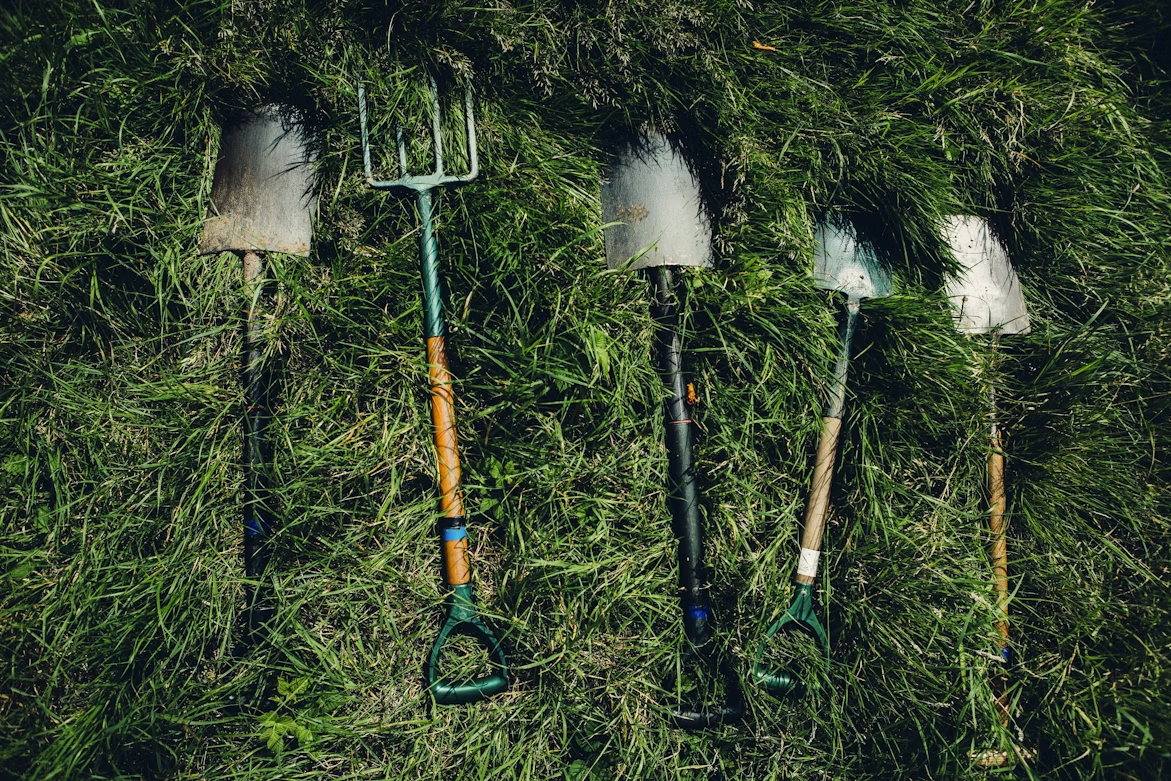
- Garden Fork: Breaking Ground Efficiently
A garden fork might look like a pitchfork, but it’s designed specifically for soil work. It’s particularly useful in compacted or clay-heavy soil.
Instead of slicing through soil like a shovel, a fork penetrates and loosens it. This improves aeration and allows roots to grow deeper.
Benefits:
- Breaks up compact soil
- Improves drainage
- Helps mix compost into soil
When soil is too dense, plants struggle. A garden fork solves that problem without requiring excessive force.
- Watering Can or Hose System: Precision Hydration
Watering sounds simple, but it’s one of the most misunderstood parts of gardening. Too much water can be just as harmful as too little.
A watering can gives you control, especially for small gardens. A hose system is better for larger areas but requires careful handling.
Watering Tool Comparison:
| Tool | Best Use | Control Level | Coverage Area |
| Watering Can | Indoor / small gardens | High | Low |
| Garden Hose | Medium gardens | Medium | Medium |
| Drip Irrigation | Large / efficient setups | Very High | High |
Drip irrigation systems are particularly powerful because they deliver water directly to the roots, reducing waste and preventing leaf diseases.
- Garden Hoe: Weed Control Champion
Weeds are one of the biggest challenges in gardening. A garden hoe helps you tackle them efficiently without bending over constantly.
By slicing just below the soil surface, a hoe cuts weeds off at the root level. This prevents regrowth and keeps your garden clean.
Types of Hoes:
| Type | Best Use | Movement Style |
| Draw Hoe | Digging and shaping | Pull motion |
| Scuffle Hoe | Weed removal | Push-pull |
| Dutch Hoe | Surface weeding | Push motion |
Using a hoe regularly prevents weeds from becoming a major problem.
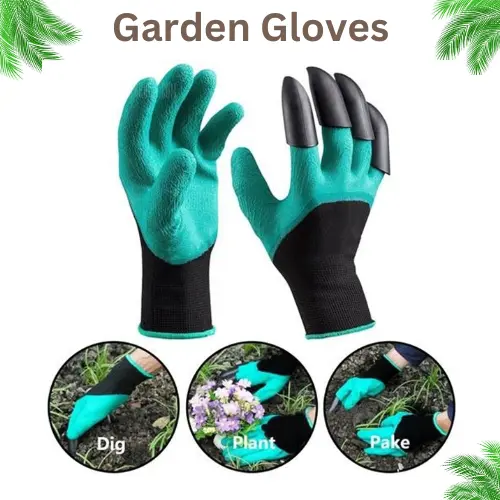
- Garden Gloves: Protection and Comfort
This might seem like a minor tool, but it has a major impact. Gardening involves thorns, dirt, insects, and sometimes sharp tools.
Good gloves protect your hands and improve your grip. This reduces fatigue and increases efficiency.
Features to look for:
- Breathable material
- Reinforced fingertips
- Water resistance
Glove Material Comparison:
| Material | Comfort | Protection | Durability |
| Cotton | High | Low | Low |
| Leather | Medium | High | High |
| Rubber Coated | High | Medium | Medium |
Comfort matters more than you think—if your hands are uncomfortable, you won’t enjoy the process.
- Wheelbarrow: Moving with Ease
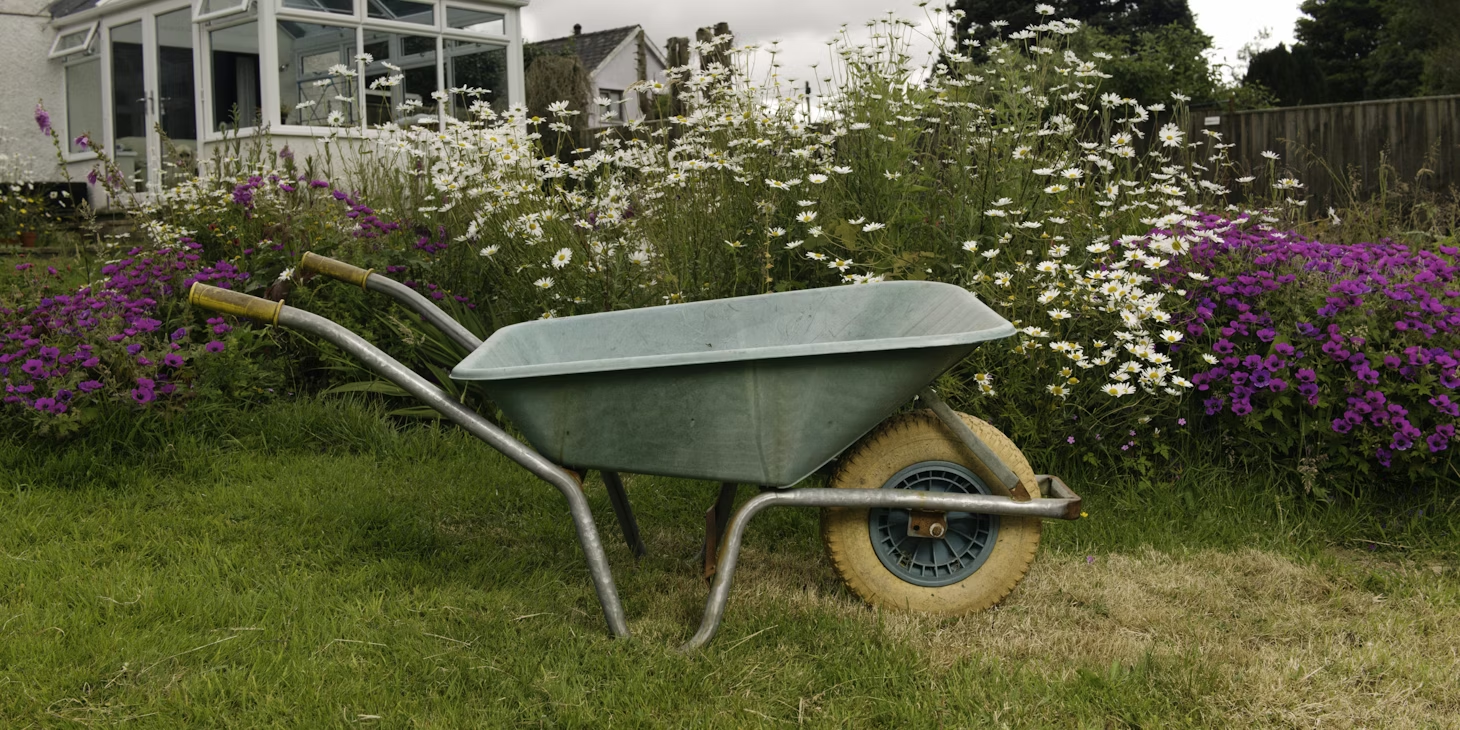
Transporting soil, compost, tools, or plants can quickly become exhausting. A wheelbarrow makes this process efficient.
Instead of making multiple trips carrying heavy loads, you can move everything in one go.
Wheelbarrow Types:
| Type | Best Use | Stability | Capacity |
| Single Wheel | Maneuverability | Medium | Medium |
| Double Wheel | Stability | High | High |
| Electric | Large gardens | Very High | Very High |
A stable wheelbarrow reduces physical strain and speeds up your work significantly.
- Soil Tester: Understanding Your Garden
You can’t improve what you don’t understand. A soil tester gives you insight into pH levels, moisture, and nutrient content.
Many gardeners skip this step, but it can explain why plants aren’t thriving.
Key measurements:
- pH level
- Moisture
- Light exposure (in some models)
Ideal Soil Conditions:
| Plant Type | Ideal pH Range | Moisture Level |
| Vegetables | 6.0 – 7.0 | Moderate |
| Flowers | 6.0 – 7.5 | Moderate |
| Acid-loving plants | 5.0 – 6.0 | High |
Knowing your soil helps you make informed decisions instead of guessing.
- Garden Rake: Finishing Touches
A rake is often used at the end of a task, but it’s just as important as the beginning tools. It helps level soil, remove debris, and prepare seedbeds.
Types of Rakes:
| Type | Best Use | Flexibility |
| Leaf Rake | Gathering leaves | High |
| Bow Rake | Soil leveling | Low |
| Thatch Rake | Lawn maintenance | Medium |
A well-raked surface ensures even planting and better water distribution.
How These Tools Work Together
Individually, each tool has a clear purpose. But the real power comes when they are used together.
For example:
- A garden fork loosens soil
- A rake levels it
- A trowel plants seeds
- A watering system hydrates them
This sequence creates a complete workflow that improves efficiency and results.
Workflow Table:
| Step | Tool Used | Purpose |
| Soil Preparation | Garden Fork | Loosen soil |
| Leveling | Rake | Smooth surface |
| Planting | Trowel | Insert plants |
| Maintenance | Hoe / Shears | Control weeds |
| Watering | Hose / Can | Hydration |
This structured approach saves time and reduces effort.
Common Mistakes When Choosing Tools
Many people buy tools based on price or appearance rather than function. This often leads to frustration.
Avoid these mistakes:
- Buying too many tools at once
- Ignoring tool quality
- Choosing the wrong size
- Not maintaining tools
A few high-quality tools are always better than many poor ones.
Maintenance Tips for Longevity
Good tools can last years if maintained properly.
Basic care routine:
- Clean after each use
- Dry to prevent rust
- Sharpen blades regularly
- Store in a dry place
Maintenance Impact Table:
| Maintenance Level | Tool Lifespan | Performance |
| Low | Short | Poor |
| Moderate | Medium | Good |
| High | Long | Excellent |
Taking care of your tools is as important as choosing them.
Final Thoughts
Gardening isn’t just about planting seeds—it’s about creating the right environment for growth. The tools you use shape that environment in very real ways.
A well-chosen set of tools doesn’t just make gardening easier. It makes it more enjoyable, more efficient, and ultimately more successful.
You don’t need everything at once. Start with the essentials, learn how to use them well, and expand as your garden grows.
Frequently Asked Questions (FAQs)
- What is the most important gardening tool for beginners?
The hand trowel is usually the best starting point because it’s versatile and easy to use for many basic tasks. - How often should I replace gardening tools?
High-quality tools can last many years. Replacement depends more on wear and maintenance than time. - Are expensive tools always better?
Not always, but well-made tools tend to last longer and perform better, making them more cost-effective in the long run. - How do I prevent my tools from rusting?
Clean and dry them after use, and store them in a dry place. Applying light oil can also help. - Do I need a soil tester for a small garden?
It’s not mandatory, but it can significantly improve results by helping you understand your soil conditions. - Can I garden effectively without all these tools?
Yes, but having the right tools makes the process easier, faster, and more productive.
In the end, gardening is a mix of patience, observation, and the right support system—and tools are a big part of that system.