Home gardening doesn’t need to be expensive or complicated. In fact, some of the most effective tools are simple, affordable, and often overlooked. Whether you’re growing herbs on a balcony, vegetables in a backyard, or flowers in small containers, having the right tools can make a noticeable difference—not just in results, but in how enjoyable the process becomes.
This article explores six budget-friendly gardening tools that consistently deliver results. It goes beyond surface-level descriptions by explaining how and why they work, where they excel, and how to use them efficiently. You’ll also find practical tables, comparisons, and tips to help you get the most value for your money.
Understanding what makes a gardening tool “worth it”
Before diving into the tools themselves, it’s important to define what makes a tool genuinely useful rather than just popular or trendy.
A good budget gardening tool should:
- Solve a real problem (digging, watering, pruning, etc.)
- Last through multiple seasons
- Be easy to use without advanced skill
- Offer versatility across different plants or tasks
Many beginners make the mistake of buying complete gardening kits filled with tools they rarely use. Instead, focusing on a few essential items—used properly—can yield far better results.
Tool 1: hand trowel
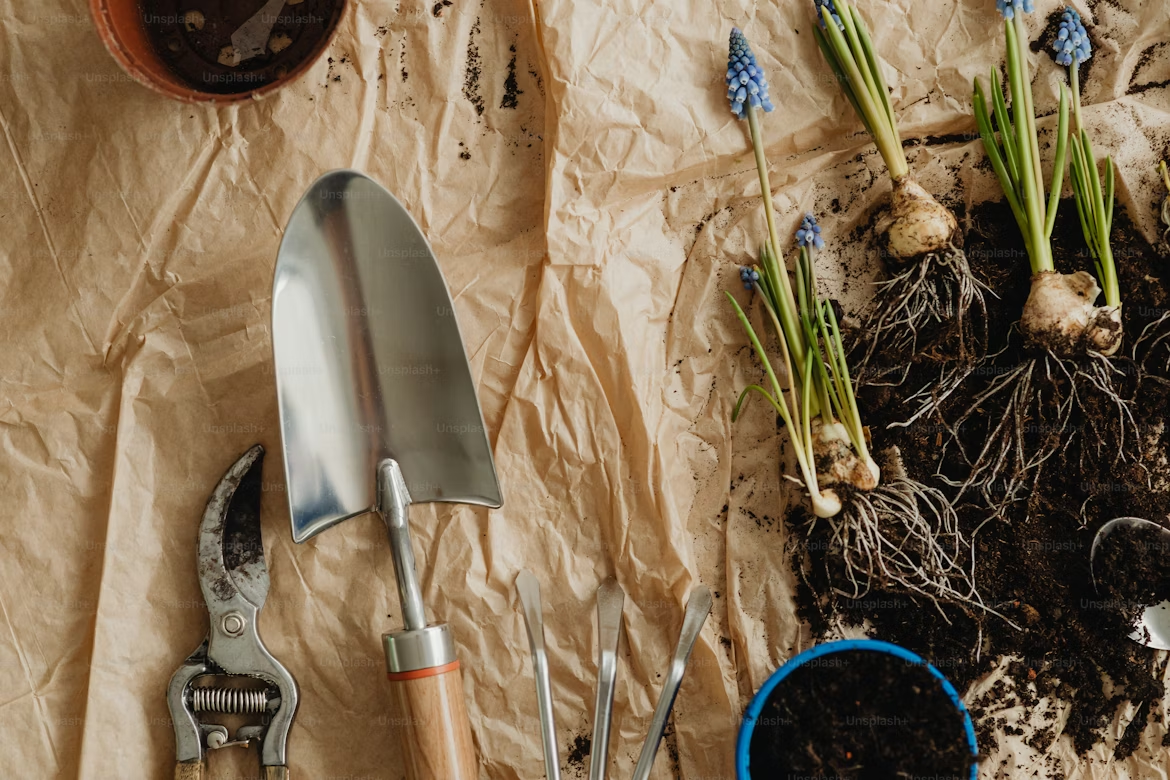
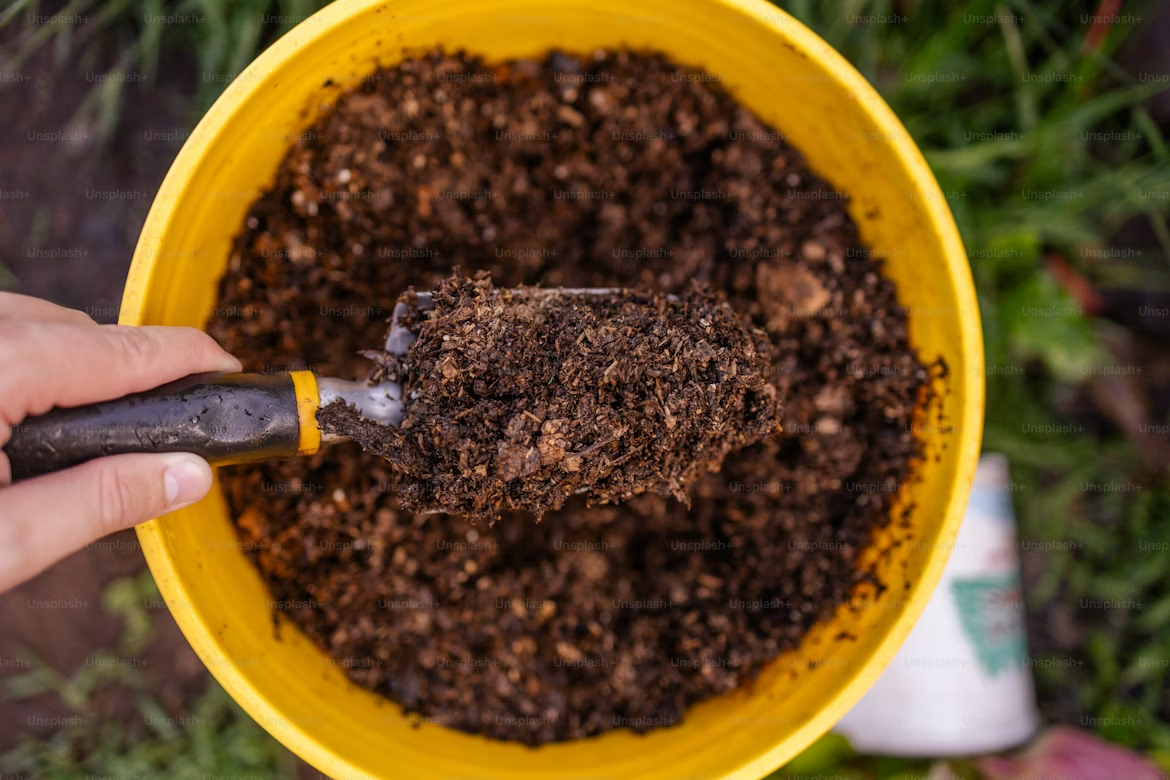
A hand trowel is often the first tool people buy, and for good reason. It’s incredibly versatile and one of the most used tools in any garden.
What it does best
- Digging small holes for planting
- Transplanting seedlings
- Loosening soil in containers or garden beds
- Mixing compost or fertilizer into soil
Why it actually works
The effectiveness of a hand trowel lies in its precision. Unlike large shovels, it allows controlled digging, which is crucial when working around delicate roots or in tight spaces like pots.
Budget tip
You don’t need a premium brand. A simple stainless steel or coated metal blade with a comfortable grip is sufficient. Avoid plastic-only trowels—they tend to bend or snap under pressure.
Usage comparison table
| Task | Hand Trowel Efficiency | Alternative Tool | Efficiency |
|---|---|---|---|
| Planting seedlings | High | Shovel | Low |
| Pot gardening | Very High | None | N/A |
| Mixing soil | Medium | Garden fork | High |
| Weeding (small roots) | Medium | Weeder | High |
Tool 2: pruning shears
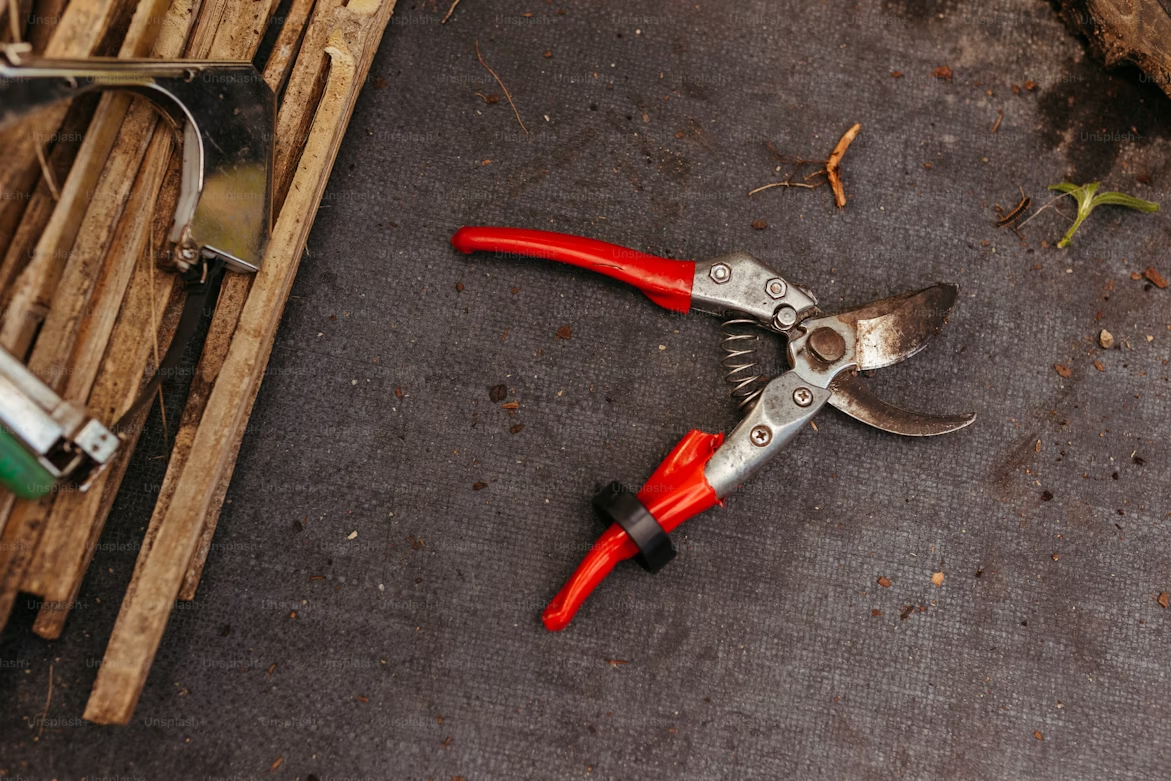
Pruning shears (also called secateurs) are essential for maintaining plant health. They are one of the most impactful tools in terms of plant growth improvement.
What they do best
- Trimming dead or damaged branches
- Shaping plants
- Harvesting fruits and vegetables
- Encouraging new growth
Why they actually work
Clean cuts matter. Tearing or crushing stems can lead to disease or slow healing. Pruning shears create sharp, precise cuts that help plants recover quickly and grow more efficiently.
Budget tip
Look for bypass-style shears rather than anvil types for general gardening. Even inexpensive models perform well if kept clean and sharp.
Pruning impact chart
| Plant Type | Without Pruning | With Regular Pruning |
|---|---|---|
| Herbs | Overgrown | Bushier growth |
| Tomato plants | Lower yield | Higher yield |
| Roses | Fewer blooms | More frequent blooms |
| Shrubs | Irregular shape | Controlled growth |
Tool 3: watering can with a rose head
Watering might seem simple, but how water is delivered makes a big difference. A watering can with a rose (sprinkler head) is surprisingly effective.
What it does best
- Gentle watering for seedlings
- Even distribution of water
- Preventing soil erosion in pots
Why it actually works
The rose head breaks water into small droplets, mimicking rainfall. This prevents damage to fragile plants and ensures water is absorbed rather than pooling or washing soil away.
Budget tip
Plastic watering cans are fine as long as the rose head is detachable for cleaning. Metal versions last longer but cost more.
Watering efficiency table
| Method | Water Control | Plant Safety | Water Waste |
|---|---|---|---|
| Hose (no nozzle) | Low | Low | High |
| Bucket pouring | Very Low | Low | High |
| Spray bottle | High | High | Medium |
| Watering can | High | Very High | Low |
Tool 4: garden gloves
Gloves are often underestimated, but they directly affect how long and comfortably you can work in the garden.
What they do best
- Protect hands from cuts and thorns
- Prevent blisters
- Improve grip when handling tools or soil
Why they actually work
Comfort leads to consistency. If gardening becomes physically uncomfortable, people tend to stop doing it regularly. Gloves remove that barrier, allowing longer and more frequent sessions.
Budget tip
Simple fabric gloves with rubberized palms are sufficient for most home gardening tasks. Avoid overly thick gloves unless dealing with heavy-duty work.
Glove material comparison
| Material Type | Durability | Comfort | Best Use Case |
|---|---|---|---|
| Cotton | Low | High | Light tasks |
| Rubber-coated | Medium | High | General gardening |
| Leather | High | Medium | Heavy-duty tasks |
| Synthetic blends | Medium | Medium | All-purpose |
Tool 5: hand rake (cultivator)
A hand rake or cultivator is a small claw-like tool designed to break up soil and remove weeds.
What it does best
- Loosening compacted soil
- Removing weeds at root level
- Mixing soil amendments
Why it actually works
Healthy soil needs air. Compact soil restricts root growth and water absorption. A hand rake breaks up the soil surface, improving aeration and nutrient distribution.
Budget tip
Metal prongs are essential. Plastic versions wear out quickly, especially in harder soil.
Soil improvement impact chart
| Soil Condition | Without Cultivation | With Regular Cultivation |
|---|---|---|
| Compacted soil | Poor drainage | Improved drainage |
| Nutrient mix | Uneven | Even distribution |
| Root growth | Restricted | Enhanced |
| Weed control | Surface removal | Root-level removal |
Tool 6: spray bottle (multi-purpose)
A simple spray bottle is one of the cheapest yet most versatile gardening tools.
What it does best
- Watering delicate plants
- Applying liquid fertilizers
- Pest control (soap sprays, neem oil)
- Humidity for indoor plants
Why it actually works
Precision again plays a key role. Instead of flooding plants, a spray bottle allows targeted application—especially useful for seedlings or indoor plants.
Budget tip
Any sturdy bottle with an adjustable nozzle works. Repurposing household spray bottles can save even more money.
Use-case breakdown
| Task | Spray Bottle Effectiveness |
|---|---|
| Seedling watering | Very High |
| Pest control | High |
| Fertilizer spraying | High |
| Large plant watering | Low |
Putting it all together: a minimal budget toolkit
Instead of buying large kits, combining these six tools creates a complete and functional gardening setup.
Toolkit overview table
| Tool | Primary Function | Cost Range | Lifespan |
|---|---|---|---|
| Hand trowel | Digging/planting | Low | Long |
| Pruning shears | Cutting/trimming | Low-Medium | Medium-Long |
| Watering can | Watering | Low | Medium |
| Garden gloves | Protection | Low | Medium |
| Hand rake | Soil preparation | Low | Long |
| Spray bottle | Precision tasks | Very Low | Medium |
Common mistakes when buying budget tools
Even affordable tools can be a waste of money if chosen poorly. Here are some mistakes to avoid:
Buying based on appearance
Bright colors and fancy designs don’t improve performance.
Ignoring material quality
Plastic parts in stress areas (like trowel blades) fail quickly.
Overbuying tools
Many tools overlap in function. Focus on essentials first.
Not maintaining tools
Even budget tools last longer with basic care like cleaning and drying after use.
Maintenance tips to extend tool life
- Clean tools after every use to prevent rust and buildup
- Store in a dry place
- Sharpen pruning shears occasionally
- Replace worn parts instead of entire tools when possible
A well-maintained budget tool can outperform an expensive neglected one.
Why budget tools can outperform expensive ones
Expensive tools often offer comfort or aesthetics, but not always better performance. In small-scale home gardening:
- Precision matters more than power
- Simplicity reduces failure points
- Lightweight tools are easier to handle
In many cases, a $5 tool used correctly delivers the same results as a $50 one.
Final thoughts
Gardening success doesn’t depend on how much you spend—it depends on how well you use what you have. These six budget tools cover nearly every essential gardening task, from planting and watering to pruning and maintenance.
By focusing on functionality, durability, and proper usage, you can build a highly effective gardening setup without overspending. Whether you’re just starting out or looking to simplify your current toolkit, these tools prove that affordability and performance can go hand in hand.
FAQs
- Can I start gardening with just these six tools?
Yes, these six tools are enough for most home gardening tasks, especially for small to medium setups like containers, raised beds, or small yards. - How often should I replace budget gardening tools?
It depends on usage and maintenance. With proper care, many budget tools can last several years. - Are expensive gardening tools ever worth it?
They can be, especially for large gardens or heavy-duty tasks. However, for most home gardeners, budget tools are more than sufficient. - What is the most important tool for beginners?
A hand trowel is usually the most essential, as it’s used in planting, transplanting, and soil work. - How do I prevent tools from rusting?
Clean and dry them after use, and store them in a dry place. Occasionally applying oil to metal parts also helps. - Can I use household items instead of gardening tools?
Yes, items like spray bottles, kitchen spoons (for small digging), and containers can substitute for tools, especially in very small-scale gardening.
If you want, I can also tailor this list specifically for balcony gardening or vegetable growing for even more practical recommendations.