Starting a home garden in 2026 feels different than it did even a few years ago. More people are turning balconies into green corners, rooftops into mini farms, and backyards into peaceful escapes. But no matter where you plant your first seed, one truth stays constant: gardening becomes much easier—and far more enjoyable—when you have the right tools in your hands.
If you’re just starting out, the biggest mistake you can make is either buying too many tools at once or relying on cheap, ineffective ones. A small, well-chosen toolkit will take you much further than a cluttered shed full of unused equipment.
This guide walks you through 11 essential gardening tools for beginners in 2026, combining practical advice, real-world usage, and structured comparisons to help you build a toolkit that actually works.
understanding what beginners really need
Before diving into tools, it’s worth understanding what beginner gardeners actually do most often:
- Dig small holes
- Transplant seedlings
- Water plants
- Remove weeds
- Trim plants
- Prepare soil
Most beginner toolkits are designed around these core tasks, often including items like trowels, pruners, gloves, and watering tools ().
Instead of thinking in terms of “tools,” think in terms of “tasks.”
quick overview of the 11 essential tools
| Tool Name | Main Purpose | Priority Level |
|---|---|---|
| Hand Trowel | Digging & planting | High |
| Pruning Shears | Cutting & trimming | High |
| Garden Gloves | Hand protection | High |
| Watering Can / Hose | Controlled watering | High |
| Garden Fork | Soil aeration | Medium |
| Garden Hoe | Weeding & soil shaping | Medium |
| Hand Cultivator | Loosening soil | Medium |
| Garden Rake | Leveling soil | Medium |
| Weeder Tool | Removing weeds | Medium |
| Spade / Shovel | Digging larger areas | Medium |
| Kneeling Pad | Comfort support | Optional |
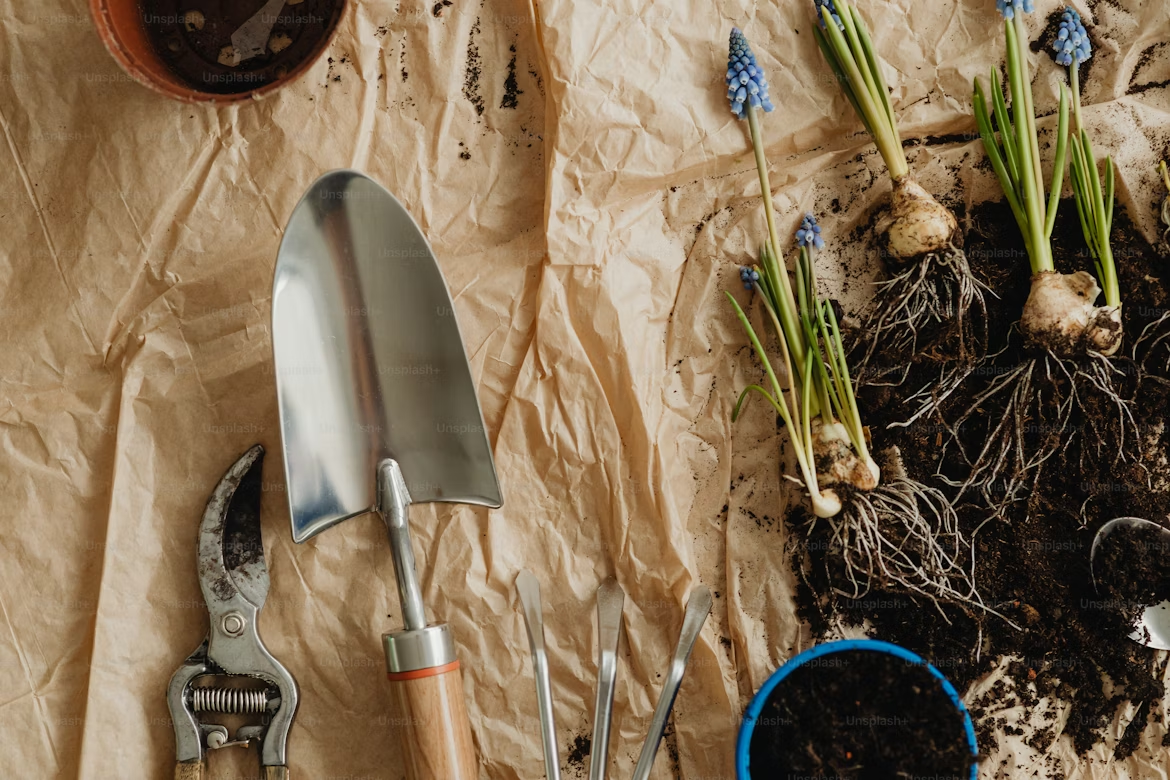
- hand trowel – your everyday companion
If there’s one tool you’ll reach for daily, it’s the hand trowel.
It’s used for:
- Digging planting holes
- Transferring seedlings
- Mixing soil and compost
A durable trowel with a stainless-steel blade and ergonomic grip is ideal, as it resists rust and reduces hand strain ().
mini comparison chart
| Feature | Basic Trowel | Premium Trowel |
| Durability | Medium | High |
| Grip Comfort | Low | High |
| Rust Resistance | Low | High |
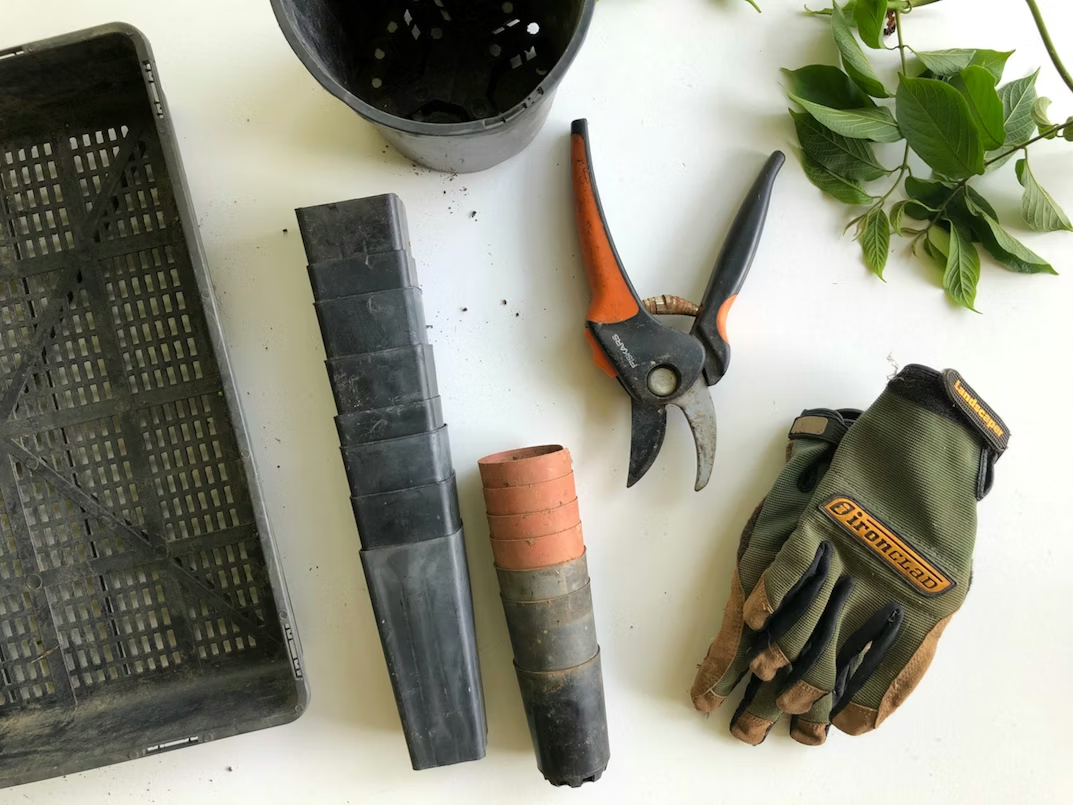
- pruning shears – clean cuts, healthy plants
Pruning shears are essential for maintaining plant health. They help remove dead leaves, shape growth, and improve airflow.
Why it matters:
- Clean cuts reduce disease risk
- Encourages new growth
- Keeps plants manageable
types at a glance
| Type | Best For |
| Bypass | Live stems |
| Anvil | Dead wood |
| Ratchet | Thick branches |
- garden gloves – underrated but essential
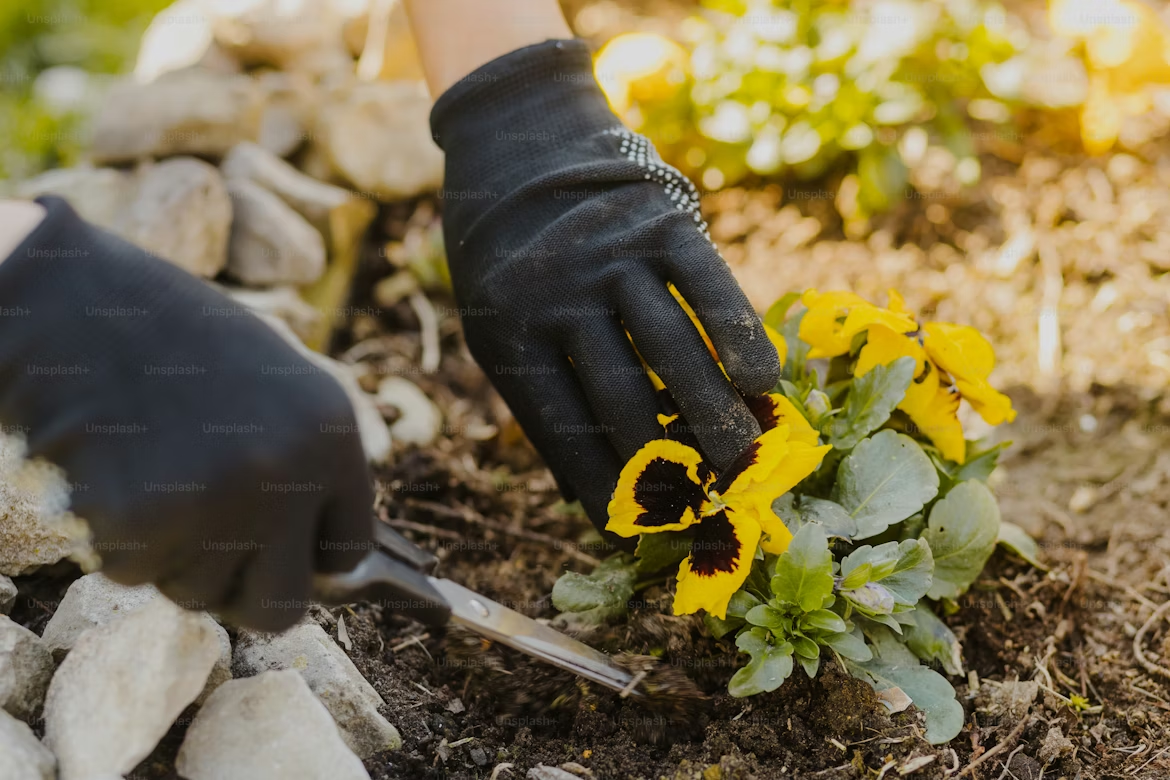
Many beginners skip gloves—until they regret it.
Good gloves:
- Protect from thorns and cuts
- Prevent blisters
- Improve grip
material comparison
| Material | Benefit | Drawback |
| Cotton | Breathable | Less durable |
| Rubber-coated | Water-resistant | Less breathable |
| Leather | Strong protection | More expensive |
- watering can or hose – mastering hydration
Watering is where many beginners go wrong. Too much or too little can damage plants.
watering tool comparison
| Tool | Best Use |
| Watering can | Indoor & small gardens |
| Hose | Large outdoor areas |
| Spray bottle | Seedlings & delicate plants |
Proper watering tools help ensure plants receive consistent moisture without overwatering ().
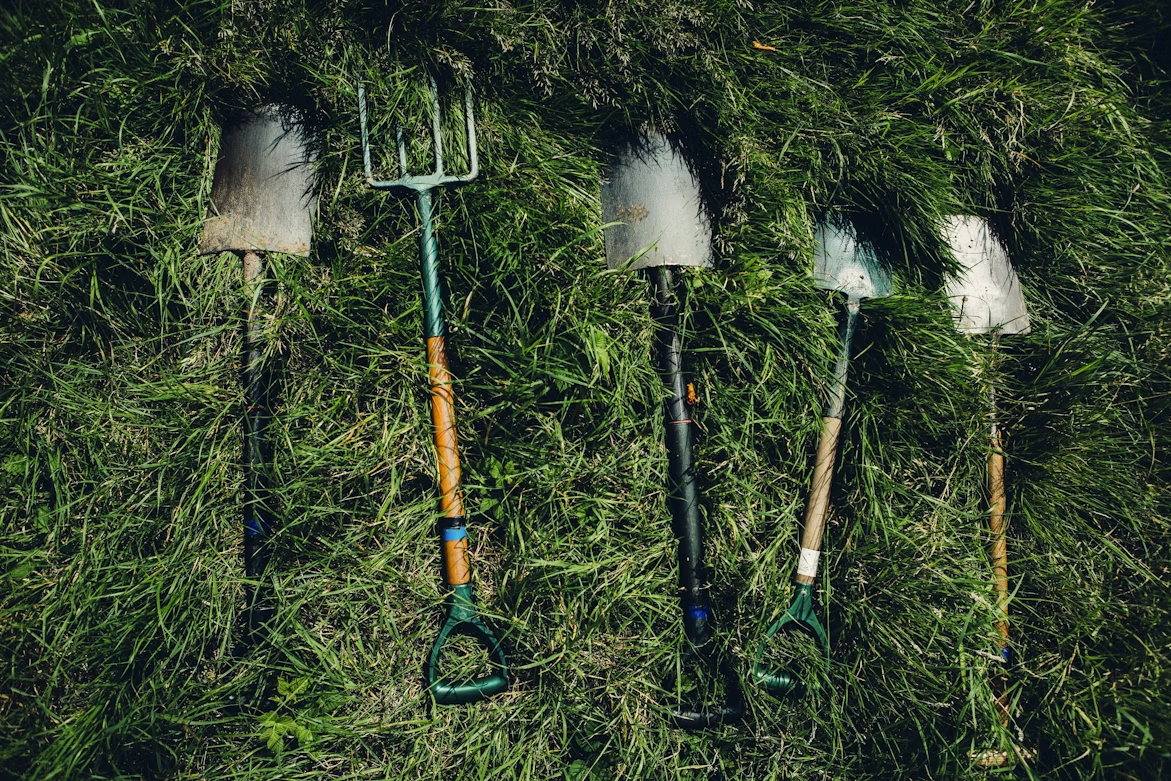
- garden fork – improving soil health
A garden fork is perfect for loosening soil and mixing compost.
why beginners need it:
- Prevents soil compaction
- Improves root growth
- Enhances drainage
fork vs shovel
| Feature | Garden Fork | Shovel |
| Aeration | Excellent | Low |
| Digging | Moderate | High |
| Root Safety | High | Medium |
- garden hoe – weed control made easy
A garden hoe is ideal for removing weeds and shaping soil rows.
common uses:
- Cutting weeds at root level
- Creating planting rows
- Breaking soil crust
This tool becomes especially useful as your garden expands.
- hand cultivator – loosening and mixing soil
A hand cultivator looks like a small claw and is used to:
- Break up compact soil
- Mix fertilizer
- Prepare planting beds
It’s especially helpful in small gardens and containers.
- garden rake – leveling and cleaning
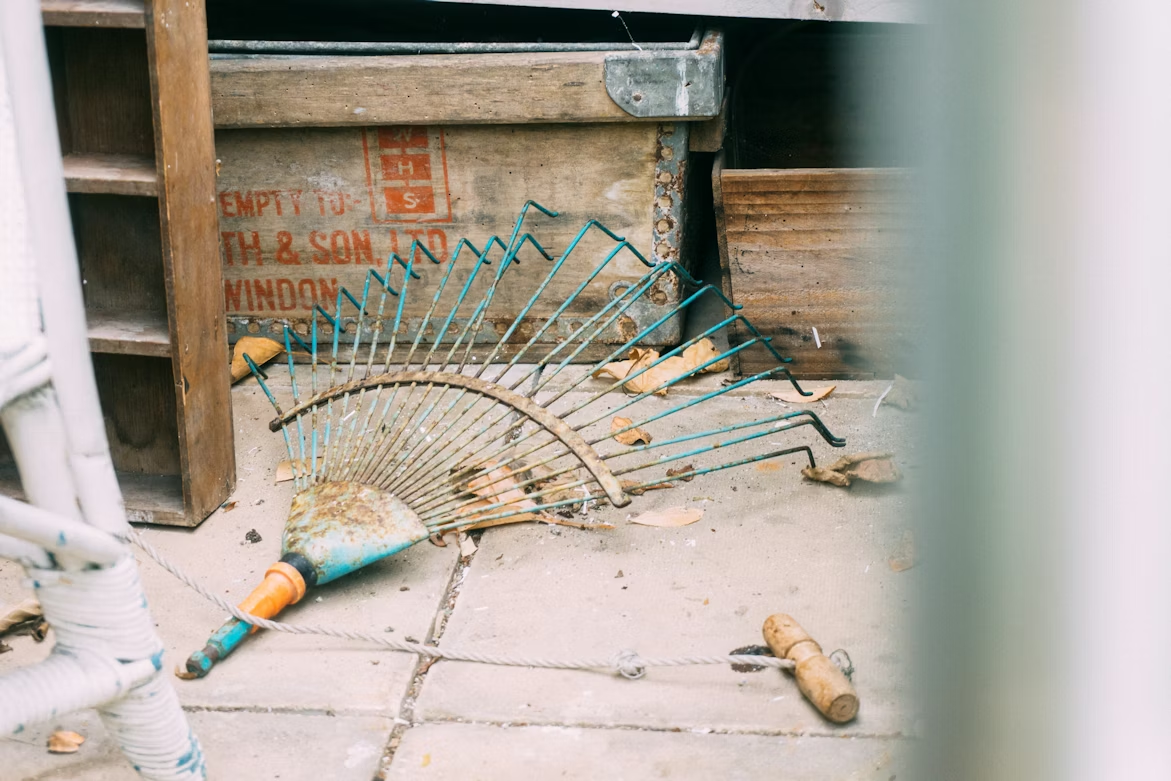
Rakes aren’t just for leaves.
they help with:
- Leveling soil before planting
- Removing debris
- Spreading mulch
types
| Type | Use Case |
| Leaf rake | Collecting debris |
| Garden rake | Soil leveling |
- weeder tool – precision weed removal
Weeds compete with your plants for nutrients and water. A dedicated weeder tool helps remove them from the root.
advantages:
- Prevents regrowth
- Saves time
- Reduces strain
- spade or shovel – heavy-duty digging
When your garden grows, a hand trowel won’t be enough.
A spade or shovel is used for:
- Digging large holes
- Moving soil
- Creating beds
choose wisely:
- Flat edge (spade) for precision
- Curved edge (shovel) for scooping
- kneeling pad – comfort that matters
Gardening can be physically demanding. A kneeling pad may seem optional, but it greatly improves comfort.
benefits:
- Reduces knee strain
- Allows longer gardening sessions
- Keeps clothes clean
how these tools work together (workflow chart)
| Task | Tools Used |
| Soil prep | Fork, cultivator, rake |
| Planting | Trowel, gloves |
| Watering | Watering can / hose |
| Maintenance | Pruning shears, weeder, hoe |
| Cleanup | Rake, shovel |
tool selection guide for beginners
When choosing tools, focus on three key factors:
- durability
Tools made from stainless steel or carbon steel last longer and resist rust () - comfort
Ergonomic handles reduce strain during long sessions - simplicity
Avoid buying complex tools you won’t use
budget planning table
| Budget Level | Recommended Setup |
| Low | Trowel, gloves, watering can |
| Medium | Add pruners, fork, cultivator |
| High | Full toolkit with rake, hoe, shovel |
common beginner mistakes to avoid
- Buying cheap plastic tools that break easily
- Overwatering plants
- Ignoring ergonomics
- Purchasing too many tools at once
Many experts emphasize investing in durable, multi-purpose tools rather than trendy or low-quality options ().
final thoughts
Gardening in 2026 doesn’t require a massive investment or professional setup. What it does require is a thoughtful approach. With just these 11 tools, you can handle nearly every basic gardening task—from planting your first herbs to maintaining a thriving vegetable patch.
Start small, choose quality over quantity, and let your toolkit grow along with your garden.
frequently asked questions (FAQs)
- what are the absolute must-have gardening tools for beginners?
The top essentials are a hand trowel, pruning shears, gloves, and a watering tool. These cover most basic gardening tasks. - should I buy tools individually or in a set?
Starter sets are convenient, but buying individually allows you to choose better quality tools tailored to your needs. - how much should a beginner spend on gardening tools?
A basic setup can start with a low budget, while a more complete toolkit may require moderate investment depending on quality. - how do I maintain my gardening tools?
Clean them after use, dry thoroughly, sharpen blades regularly, and store in a dry place. - are expensive gardening tools worth it?
Yes, in most cases. They last longer, perform better, and reduce physical strain over time. - can I garden successfully with just a few tools?
Absolutely. Even with 3–4 essential tools, you can maintain a healthy and productive home garden.
This article provides a complete, practical roadmap for beginners looking to build a reliable gardening toolkit in 2026 without confusion or unnecessary spending.