Indoor plants have quietly become part of modern living. From small apartments to large homes, greenery now finds its place on windowsills, shelves, desks, and even bathrooms. But caring for indoor plants isn’t just about watering them occasionally—it requires attention, consistency, and the right tools.
Unlike outdoor gardening, indoor plant care is more precise. You’re dealing with limited space, controlled environments, and delicate plant varieties. That’s why having the right tools can make your indoor gardening experience not just easier, but far more effective.
This guide explores six handy home gardening tools specifically suited for indoor plants, along with practical tables, comparisons, and real-world usage tips to help you build a simple yet efficient setup.
why indoor gardening needs specialized tools
Indoor plants live in a controlled ecosystem. They depend entirely on you for:
- Water
- Light positioning
- Soil quality
- Humidity
Using outdoor tools indoors can be messy, inefficient, and sometimes harmful to plants. Indoor gardening tools are typically:
- Smaller and more precise
- Lightweight and easy to handle
- Designed to avoid spills and damage
quick comparison: indoor vs outdoor gardening tools
| Feature | Indoor Tools | Outdoor Tools |
|---|---|---|
| Size | Compact | Larger |
| Precision | High | Moderate |
| Mess control | Important | Less critical |
| Portability | High | Medium |
- hand trowel – small but essential
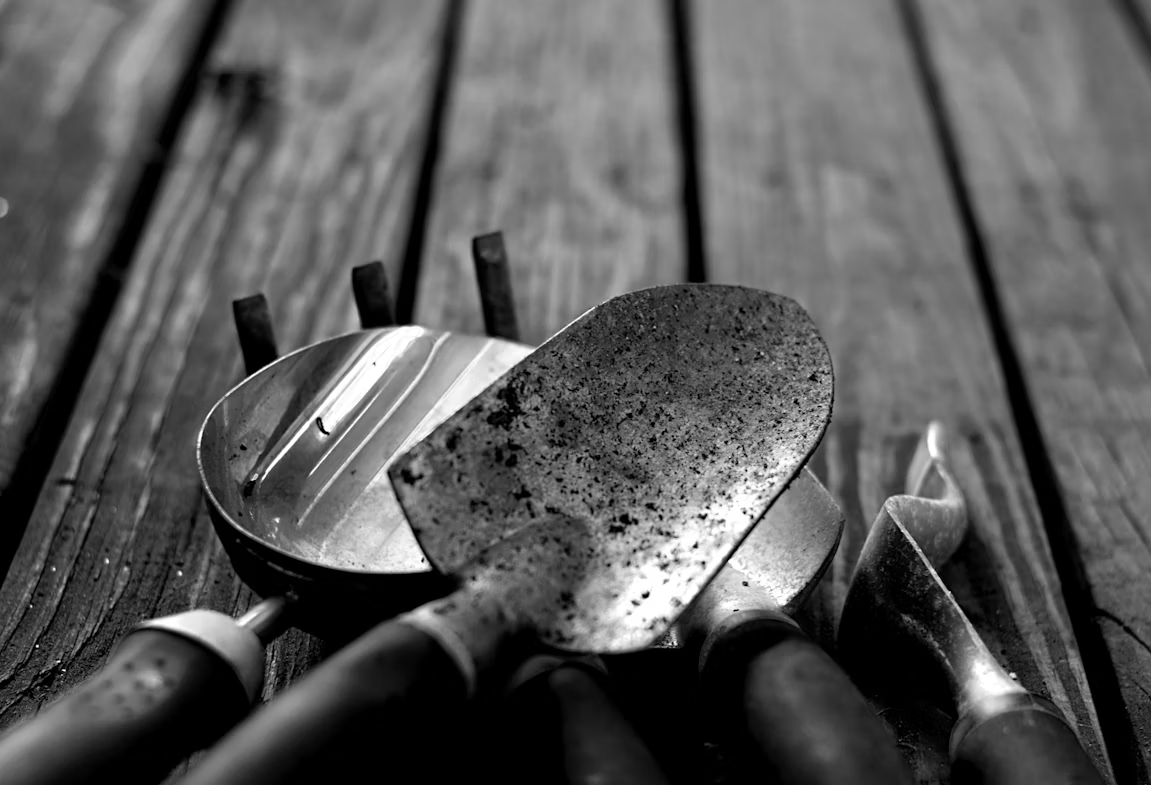
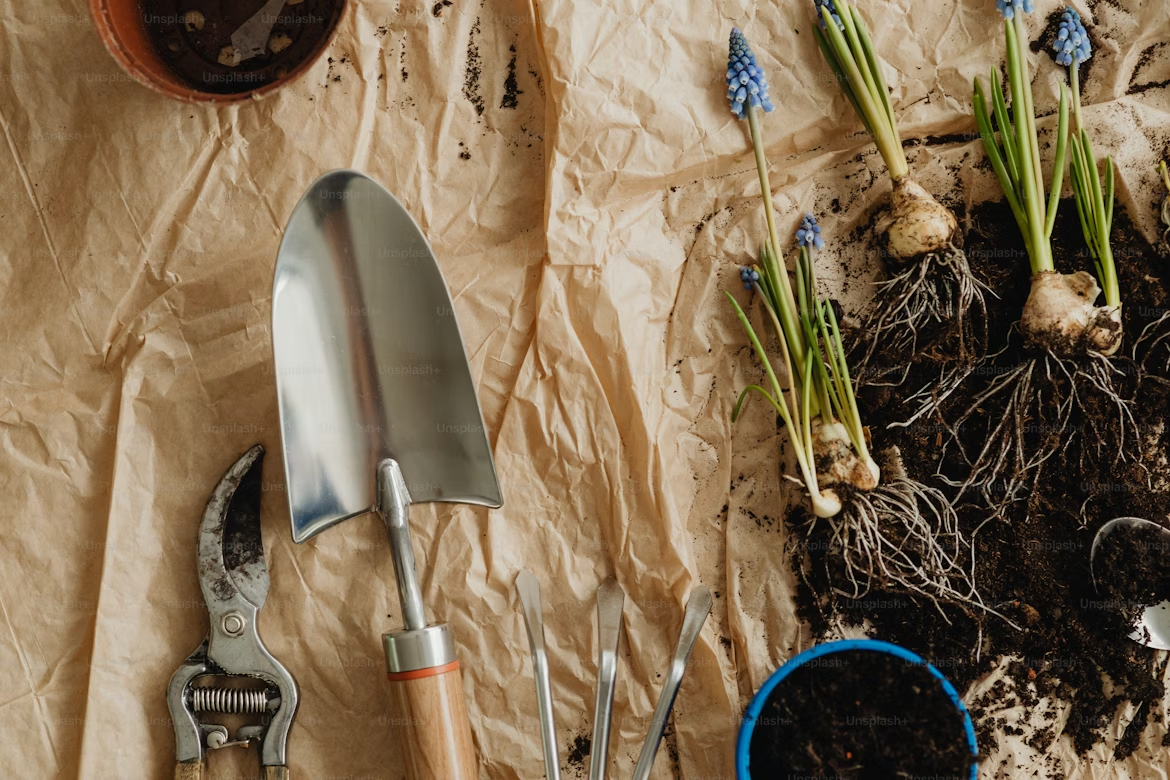
Even for indoor plants, a hand trowel remains one of the most useful tools. However, indoor versions are typically smaller and more refined.
common uses
- Filling pots with soil
- Repotting plants
- Mixing potting mix
- Removing old soil
features to look for
- Narrow blade for small pots
- Lightweight design
- Rust-resistant material
indoor trowel vs outdoor trowel
| Feature | Indoor Trowel | Outdoor Trowel |
| Blade size | Small | Medium to large |
| Weight | Light | Heavier |
| Precision | High | Moderate |
practical tip
Keep a dedicated indoor trowel to avoid bringing dirt and pests from outside.
- pruning scissors – precision cutting
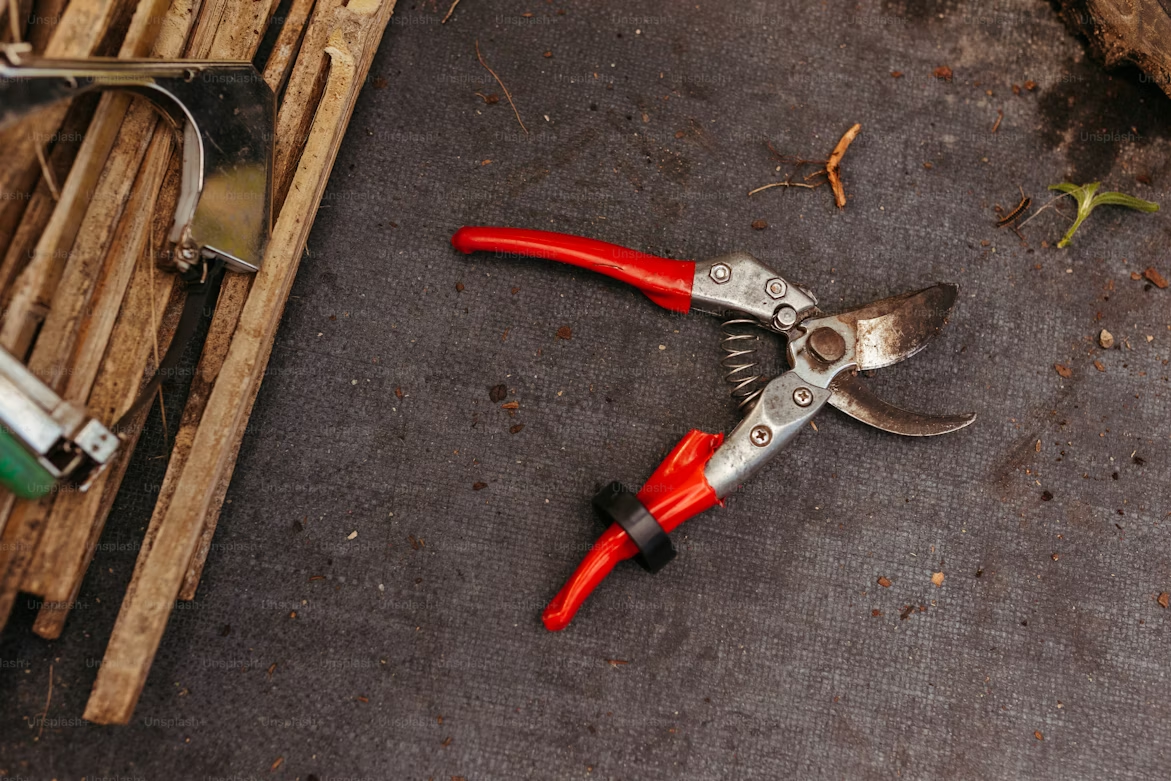
Indoor plants often require delicate trimming rather than heavy pruning. That’s where pruning scissors come in.
what they’re used for
- Trimming dead leaves
- Shaping plants
- Cutting small stems
- Harvesting herbs
why scissors instead of shears?
Indoor plants are usually smaller and softer, so large pruning shears can be too harsh.
comparison chart
| Tool | Best Use |
| Pruning scissors | Small indoor plants |
| Pruning shears | Outdoor or woody plants |
maintenance tip
Always keep blades clean to prevent spreading plant diseases.
- watering can with narrow spout – controlled watering
Watering indoor plants is all about control. A standard watering can may spill water everywhere, damaging furniture and floors.
ideal features
- Long, narrow spout
- Lightweight body
- Easy grip handle
watering accuracy chart
| Tool Type | Accuracy Level | Spill Risk |
| Narrow spout can | High | Low |
| Regular can | Medium | Medium |
| Cup/mug | Low | High |
watering tip
Always check soil moisture before watering. Indoor plants suffer more from overwatering than underwatering.
- spray bottle – humidity control made simple
Many indoor plants, especially tropical ones, need humidity to thrive. A spray bottle helps maintain this environment.
uses
- Misting leaves
- Increasing humidity
- Cleaning dust from leaves
mist frequency guide
| Plant Type | Mist Frequency |
| Tropical plants | Daily or every other day |
| Succulents | Rarely |
| Ferns | Frequent misting |
pro tip
Use filtered or distilled water to avoid mineral spots on leaves.
- soil moisture meter – avoid guesswork
One of the most common mistakes beginners make is overwatering. A soil moisture meter removes the guesswork.
how it works
You insert the probe into the soil, and it shows moisture levels.
benefits
- Prevents root rot
- Helps maintain consistent watering
- Ideal for beginners
reading guide
| Reading Level | Meaning | Action Needed |
| 1–3 | Dry | Water immediately |
| 4–7 | Moist | No action needed |
| 8–10 | Wet | Avoid watering |
why it matters
Indoor plants don’t dry out as quickly as outdoor ones, making overwatering a common issue.
- plant repotting mat – mess-free gardening
Indoor gardening can get messy, especially during repotting. A repotting mat keeps everything contained.
features
- Waterproof material
- Foldable edges
- Easy to clean
benefits
- Protects surfaces
- Collects excess soil
- Makes cleanup easier
comparison: with vs without mat
| Factor | With Mat | Without Mat |
| Cleanliness | High | Low |
| Convenience | High | Medium |
| Cleanup time | Minimal | Longer |
how these tools work together
Indoor gardening is about workflow. Each tool plays a role.
workflow table
| Task | Tools Used |
| Repotting | Trowel, mat |
| Trimming | Pruning scissors |
| Watering | Watering can, moisture meter |
| Humidity control | Spray bottle |
building a beginner indoor toolkit
You don’t need everything at once. Start small.
starter kit recommendation
| Priority Level | Tools |
| Essential | Trowel, watering can, scissors |
| Useful | Spray bottle, moisture meter |
| Optional | Repotting mat |
budget planning
| Budget Range | Suggested Setup |
| Low | Basic tools (trowel, spray bottle) |
| Medium | Add watering can and scissors |
| High | Full toolkit including meter and mat |
common mistakes indoor gardeners make
- Overwatering plants
- Using large outdoor tools indoors
- Ignoring humidity needs
- Making a mess during repotting
avoiding these mistakes can significantly improve plant health and your overall experience.
maintenance tips for indoor tools
Proper care extends the life of your tools.
maintenance chart
| Task | Frequency |
| Cleaning | After each use |
| Drying | Immediately |
| Blade sharpening | Monthly |
| Inspection | Weekly |
practical insights from experience
Indoor gardening is less about effort and more about consistency. Small tools that offer precision will always outperform larger tools designed for outdoor work.
You’ll notice that once you start using proper tools:
- Watering becomes more accurate
- Plants grow healthier
- Cleanup becomes easier
- Gardening feels less like a chore
final thoughts
Indoor gardening is one of the simplest ways to bring life into your living space. But like any activity, the experience depends heavily on the tools you use.
With just six handy tools—a trowel, pruning scissors, watering can, spray bottle, moisture meter, and repotting mat—you can handle nearly every indoor plant care task with ease.
Start with the basics, understand your plants, and gradually refine your setup. Over time, you’ll not only grow plants—you’ll grow confidence.
frequently asked questions (FAQs)
- what is the most important tool for indoor plants?
A watering can with a narrow spout is one of the most important tools because proper watering is critical for indoor plant health. - do I really need a soil moisture meter?
It’s not mandatory, but highly recommended for beginners to avoid overwatering, which is a common mistake. - can I use outdoor gardening tools indoors?
It’s possible, but not ideal. Outdoor tools are larger and less precise, making indoor gardening messy and inefficient. - how often should I mist indoor plants?
It depends on the plant type. Tropical plants benefit from frequent misting, while succulents rarely need it. - what’s the best way to repot indoor plants without mess?
Using a repotting mat helps contain soil and makes cleanup quick and easy. - how do I maintain indoor gardening tools?
Clean them after each use, dry thoroughly, and store them in a dry place to prevent rust and damage.
This guide gives you a complete, practical approach to indoor gardening tools, helping you create a clean, efficient, and enjoyable plant care routine at home.